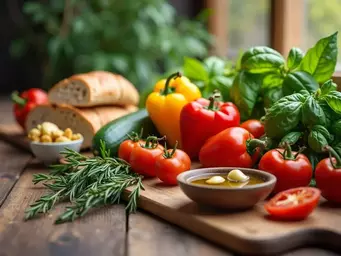
Farm-to-Table Catering Ideas
In an age where consumers are increasingly conscious about the origins of their food, the farm-to-table movement stands out not just as a culinary trend but as a philosophy that connects diners with local communities. As you explore the nuances of this approach, you'll discover how it enhances dining experiences and fosters sustainability.
What You Will Learn
- Farm-to-table catering emphasizes freshness and supports local economies by sourcing ingredients from nearby farms.
- Engaging with Community-Supported Agriculture (CSA) can provide unique seasonal produce while fostering direct relationships with local farmers.
- Seasonal menus highlight the best flavors throughout the year, making dining experiences more dynamic and exciting.
- Interactive dining experiences, such as cooking classes and themed menus, create memorable connections between guests and their food.
- Building strong partnerships with local vendors and farmers is essential for overcoming sourcing challenges and ensuring ingredient quality.
- Utilizing visuals in event marketing can significantly enhance appeal and engagement, showcasing the beauty of farm-to-table dining.
- Highlighting the health benefits of local food can attract health-conscious clients and inspire them to make sustainable dining choices.
- Personalizing catering experiences with thematic decor and unique elements can create lasting impressions for guests.
Key Benefits of Farm-to-Table Catering
Farm-to-table catering emphasizes freshness, sustainability, and community engagement. This approach not only enhances the flavor and quality of dishes but also supports local economies and promotes environmental responsibility. For a deeper dive into how this movement supports local economies, check out our insights on farm-to-table and local economies.
Flavor
Local ingredients are fresher and more flavorful, enhancing the taste of dishes.
Seasonality
Menus can change with the seasons, offering a variety of tastes throughout the year.
Community
Strengthening bonds with local farmers fosters collaboration and innovation.
Sustainability
By sourcing locally, we reduce the carbon footprint and support local economies.
Fresh Perspectives on Catering for Farm-to-Table Events
As the culinary landscape evolves, the concept of farm-to-table catering is becoming more than just a popular buzzword—it's a movement that resonates deeply with both chefs and diners. At Culinary Currents, we believe that the essence of farm-to-table catering lies not only in sourcing fresh, local ingredients but also in creating an experience that connects guests with the origins of their food. Imagine the joy of savoring a dish made with heirloom tomatoes harvested just hours prior. This approach transforms meals into stories, where every bite reveals the care and craftsmanship behind it.
Understanding the Essence of Farm-to-Table Catering
Defining Farm-to-Table: More Than Just a Trend
Farm-to-table is not just a trendy phrase—it's a philosophy that emphasizes freshness, sustainability, and local connections. It champions the idea that food should be enjoyed in its most natural state, reflecting the seasons and the community around it. This movement encourages diners to appreciate the journey of their food, from the farm to their plate. When we embrace this concept, we create a more conscious dining experience that celebrates the hard work of local farmers.
The Importance of Local Sourcing in Sustainable Catering
When we talk about sustainable catering, local sourcing takes center stage. By choosing ingredients from nearby farms, we not only reduce our carbon footprint but also support local economies. The benefits are extensive:
- Flavor: Local ingredients are often fresher and more flavorful.
- Seasonality: Menus can change with the seasons, offering a variety of tastes.
- Community: Strengthening bonds with local farmers fosters collaboration and innovation.
At Culinary Currents, we continuously seek out partnerships with local providers, ensuring that our catering events reflect the best of what the area has to offer. For more information on sourcing local produce, explore our tips on sourcing local produce.
The Role of Community-Supported Agriculture (CSA) in Farm-to-Table
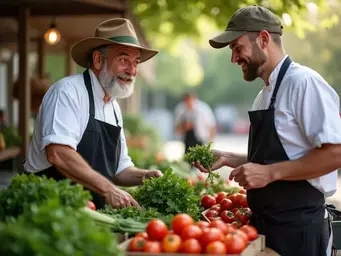
Community-Supported Agriculture (CSA) is an excellent way for caterers to build relationships with local producers. By joining a CSA, we gain access to a variety of seasonal produce directly from the farm. This not only enhances our menus but also allows us to tell compelling stories about the ingredients. Engaging with CSA can help caterers:
- Offer unique items: Seasonal and sometimes rare ingredients can surprise guests.
- Support local farmers: Direct partnerships create a sustainable cycle benefitting everyone.
- Educate consumers: Promote awareness about where food comes from and its impact.
Incorporating CSA into our catering strategy enriches the overall experience, fostering a deep appreciation for local bounty.
Creative Catering Ideas to Delight Your Guests
Seasonal Menus: Crafting Dishes That Celebrate Local Ingredients
To fully embrace the farm-to-table philosophy, creating seasonal menus is essential. Drawing inspiration from local produce and herbs, you can design dishes that highlight the best flavors of the season. Here are some ideas:
- Spring: Fresh asparagus and pea shoots in a vibrant salad.
- Summer: Grilled zucchini and corn paired with a tangy lime dressing.
- Fall: Roasted butternut squash and sage risotto.
- Winter: Hearty root vegetable stew with locally raised meat.
Each season brings a unique palette of flavors, and embracing these changes keeps the dining experience exciting and fresh! Discover more about crafting seasonal menus for hospitality to further enhance your offerings.
Farm Dinners and Tasting Events: Designing Memorable Experiences
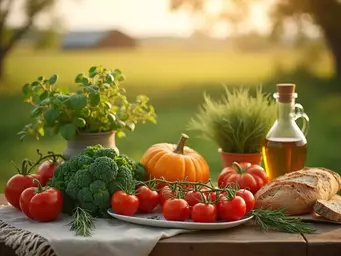
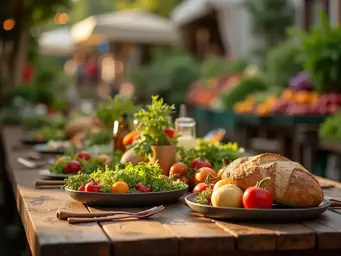
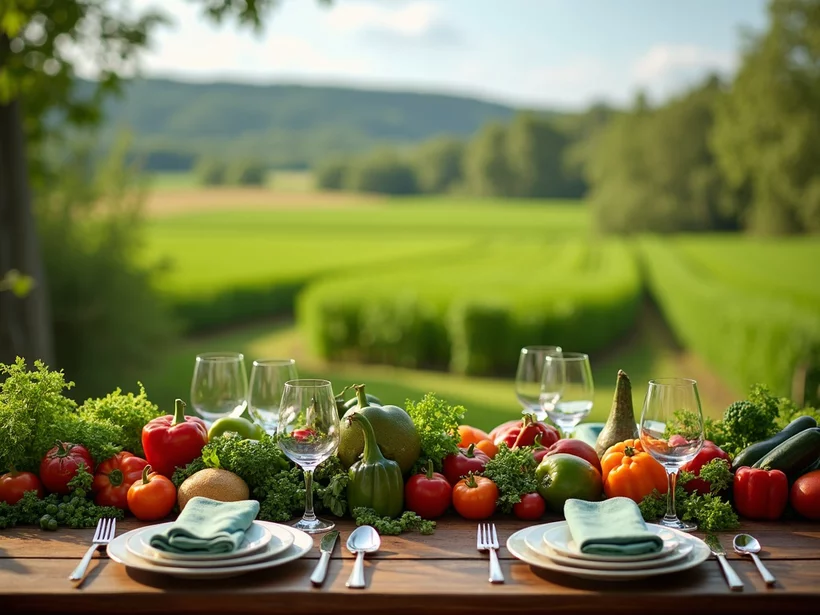
Farm dinners and tasting events offer a unique way for guests to connect with their food. Imagine transforming a sunlit field into a dining oasis, complete with rustic tables and string lights. Here are some key elements to consider:
- Thematic menus: Center dishes around the farm's offerings.
- Interactive stations: Let guests help build their plates.
- Storytelling: Share the story of each ingredient or farmer involved.
Creating these immersive experiences not only delights the palate but also deepens the connection between guests and their food sources.
Customized Catering for Private Parties: Personal Touches That Matter
As a caterer, personalizing the dining experience can leave lasting impressions. Tailoring menus to suit individual tastes or dietary needs shows guests that their preferences are valued. Consider offering:
- Themed menus: Align dishes with celebrations or personal anecdotes.
- Signature drinks: Craft unique beverages that reflect the host’s style.
- Interactive elements: Engage guests through cooking demonstrations or tastings.
These thoughtful touches truly enhance the catering experience, making it memorable for all involved.
Incorporating Gourmet Meals and Rustic Decor into Your Event
The beauty of farm-to-table events lies in their simplicity, complemented by gourmet meals and rustic decor. By using natural materials and local crafts, you can create a welcoming atmosphere that reflects the essence of the cuisine. Think of:
- Fresh flowers: Simple centerpieces featuring seasonal blooms.
- Natural table settings: Wooden boards and ceramic dishes for a homey feel.
- Herb garnishes: Add a touch of color and aroma to each dish.
When every aspect of the event is carefully curated, it elevates the entire dining experience. Learn more about embracing local food sourcing to further enhance your menu and decor.
Chef Collaborations for Unique Farm-to-Table Experiences
Collaborating with local chefs can bring a wealth of creativity and expertise to your catering events. By pooling resources, we can craft unique menus that showcase the best of local ingredients. Benefits of chef collaborations include:
- Innovation: Fresh ideas can lead to exciting new dishes.
- Networking: Building relationships with other culinary professionals opens up new opportunities.
- Shared resources: Cost-sharing can make sourcing ingredients easier.
These partnerships not only create delicious food but also foster a rich culinary community.
Logistics and Budgeting Considerations for Farm-to-Table Events
Planning Your Budget: Cost-Effective Local Sourcing Strategies
When planning a farm-to-table event, budgeting is critical. By adopting cost-effective local sourcing strategies, we can maintain quality while keeping expenses manageable. Some effective approaches include:
- Bulk purchasing: Buy larger quantities of seasonal ingredients for savings.
- Bartering: Swap services with local farms for lower costs.
- Seasonal menus: Utilize what's currently available for maximum freshness and minimal expense.
These strategies can significantly impact the overall budget, ensuring that your event is a success without overspending.
Overcoming Sourcing Challenges: Building Strong Vendor Partnerships
Every caterer faces sourcing challenges, especially when relying on local farms. Building strong vendor partnerships can help overcome these hurdles. Key strategies include:
- Regular communication: Maintain open dialogue with vendors for better planning.
- Flexibility: Be open to substitutions based on seasonal availability.
- Long-term relationships: Nurture connections with farmers for reliable sourcing.
By strengthening these partnerships, we can ensure a steady supply of fresh ingredients for every event.
Utilizing Specialty Food Vendors and Farmers' Markets
Incorporating specialty food vendors and farmers' markets into your sourcing strategy can enhance your menu options. These local treasures often provide unique products that elevate the dining experience. Consider:
- Artisanal cheeses: Adding depth and flavor to your charcuterie boards.
- Local jams and preserves: Perfect for enhancing appetizers and desserts.
- Craft beverages: Pairing exquisite drinks with meals for a complete experience.
Utilizing these vendors creates an opportunity to highlight regional flavors that make your events stand out!
Engagement Strategies to Enhance Your Event's Appeal
Utilizing Visuals: Event Setup Samples and Plating Presentation Ideas
Visual appeal is crucial in dining experiences. Striking presentations can entice diners and enhance their enjoyment. Here are some engagement strategies to consider:
- Sample setups: Showcase your event's decor through captivating photographs.
- Plating techniques: Embed artistry into each dish for visual impact.
- Live demonstrations: Inspire guests by showcasing the cooking process.
Creating an eye-catching environment can truly elevate the dining experience!
Incorporating Testimonials and Case Studies: Showcasing Success Stories
Sharing testimonials and success stories from previous events can build trust with potential clients. Highlighting positive feedback can serve as powerful marketing tools. Consider:
- Visual quotes: Use eye-catching designs for impactful displays.
- Video snippets: Share clips of satisfied guests enjoying their meals.
- Detailed case studies: Showcase the planning and execution of successful events.
These strategies can help potential clients visualize the experiences you can create!
Interactive Dining Experiences: Engaging Your Guests
Transforming a meal into an interactive experience can create lasting memories. Engaging guests encourages participation and connection to the food. Here are some ideas:
- Cooking classes: Invite guests to join in on preparing their meals.
- Tasting flights: Offer samples of various dishes or drinks.
- Food stations: Let guests customize their plates with selected toppings.
These interactive elements not only enhance the experience but also spark conversation and joy!
SEO Best Practices for Promoting Your Farm-to-Table Catering
Effective Marketing Tactics: Leveraging Influencer Partnerships
In today's digital age, leveraging influencer partnerships can significantly boost your visibility. Collaborating with influencers who share your passion for local food can broaden your reach. Consider:
- Guest blogs: Invite influencers to share their experiences with your services.
- Social media takeovers: Allow them to showcase your events through their lenses.
- Joint events: Collaborate on a farm-to-table event featuring both your expertise.
Influencers can amplify your brand’s message and attract new clientele!
Content Strategies: Building a Strong Online Presence through SEO
Establishing a solid online presence is essential for attracting clients. Implementing effective SEO strategies is key. Here are some actionable steps:
- Keyword optimization: Use relevant keywords throughout your website and content.
- Blogging: Share valuable insights about farm-to-table trends and catering tips.
- Engagement on social media: Interact regularly with your audience to foster community.
These strategies will enhance your online visibility and draw in potential customers!
Highlighting Health Benefits of Local Food in Your Marketing
Promoting the health benefits of locally sourced food can be a powerful marketing tool. Highlighting these advantages can resonate with health-conscious clients. Benefits include:
- Nutritional value: Fresh food retains more nutrients than processed options.
- Organic practices: Many local farms prioritize sustainable and organic methods.
- Flavor: Fresher ingredients lead to tastier meals, enhancing the dining experience.
When you highlight these benefits, you not only inform potential clients but also inspire them to make healthier choices! For more information on seasonal ingredients for restaurant menus, click here.
Pro Tip
To truly enhance your farm-to-table events, consider incorporating a "Meet the Farmer" segment. Inviting local farmers to share their stories and the journey of their products can create a deeper connection between your guests and the food they consume. This personal touch not only enriches the dining experience but also educates guests about the importance of supporting local agriculture.
Summarizing Key Insights for Successful Farm-to-Table Events
As we wrap up our exploration of catering for farm-to-table events, it's essential to reflect on the core components that make these gatherings successful. Each event should not only celebrate fresh, local ingredients but also create an unforgettable experience for guests. By understanding the intricacies of farm-to-table catering, we can elevate our culinary offerings and forge deeper connections with our communities.
Are you ready to dive into the world of farm-to-table catering? Let's address some common questions that come up in this vibrant culinary landscape. Understanding these key elements will empower you to make informed decisions as you plan your next event!
Frequently Asked Questions (FAQs) about Farm-to-Table Catering
- What is the core philosophy of farm-to-table catering?
- The core philosophy emphasizes freshness, sustainability, and local connections by sourcing ingredients directly from nearby farms, promoting a conscious dining experience.
- How does local sourcing benefit a farm-to-table catering event?
- Local sourcing reduces the carbon footprint, supports local economies, and ensures fresher, more flavorful ingredients, leading to higher quality dishes.
- What role does Community-Supported Agriculture (CSA) play in farm-to-table catering?
- CSA allows caterers to build direct relationships with local producers, gaining access to unique seasonal produce, supporting local farmers, and educating consumers about food origins.
- What are some creative ideas for farm-to-table menus?
- Creative ideas include seasonal menus that highlight the best flavors of each season, farm dinners in scenic locations, customized catering for private parties, and chef collaborations for innovative dishes.
- How can caterers overcome sourcing challenges in farm-to-table events?
- Caterers can overcome sourcing challenges by building strong vendor partnerships through regular communication, flexibility with seasonal availability, and nurturing long-term relationships with farmers.
Addressing Common Questions About Farm-to-Table Catering
When you think about a farm-to-table menu, what comes to mind? It's not just about sourcing from local farms; it's about crafting a narrative that resonates with your guests. Here are some essential components that define a farm-to-table menu:
- Seasonal Ingredients: Utilizing fruits and vegetables that are in season ensures the freshest flavors.
- Local Sourcing: Partnering with nearby farms and suppliers promotes sustainability and community support.
- Diverse Offerings: Including a variety of proteins, grains, and plant-based options caters to different dietary preferences.
- Chef's Creativity: Allowing chefs to innovate with local ingredients adds a unique flair to each dish.
Choosing the right vendors can make or break your event. Start by considering these tips:
- Reputation: Research their history and customer reviews to ensure quality.
- Local Connections: Select vendors who prioritize local sourcing like Culinary Currents.
- Communication: Ensure they understand your vision and are open to collaboration.
Finally, let’s explore the farm-to-fork philosophy. This sustainable approach emphasizes:
- Transparency: Knowing where your food comes from builds trust with your guests.
- Flavor: Freshly harvested ingredients often taste better and contribute to healthier meals.
- Environmental Impact: Reduced transportation means a smaller carbon footprint.
Encouraging Action: Book Your Next Farm-to-Table Event Today
Feeling inspired? Now's the time to take that leap and book your next farm-to-table event! Personalizing your catering experience can set the stage for memorable gatherings. Here are some considerations to keep in mind:
- Menu Customization: Tailor dishes based on seasonal availability and your guests' preferences.
- Thematic Decor: Use rustic decor elements to enhance the farm-to-table theme.
- Engagement Activities: Incorporate cooking demonstrations or tastings to captivate your guests.
Connecting with local farms is a great way to kickstart your journey towards sustainable catering. Seek out opportunities to collaborate with farmers who share your values. This not only helps you access quality ingredients but also strengthens community ties.
If you're looking for a hands-on experience, consider exploring culinary workshops and farm tours. These activities can deepen your engagement with local food systems while providing insights into innovative cooking techniques. Plus, they’re a great way to bond with friends and family over shared culinary adventures! Discover more about farm-to-table dining and guests to enhance your events.
Recap of Key Points
Here is a quick recap of the important points discussed in the article:
- Farm-to-Table Philosophy: Emphasizes freshness, sustainability, and local connections, transforming meals into stories.
- Local Sourcing Benefits: Supports local economies, reduces carbon footprints, and enhances flavor through fresher ingredients.
- Community-Supported Agriculture (CSA): Provides caterers access to seasonal produce and fosters relationships with local farmers.
- Creative Catering Ideas: Seasonal menus, farm dinners, personalized touches, and immersive experiences enhance guest engagement.
- Logistics and Budgeting: Effective local sourcing strategies, building vendor partnerships, and utilizing specialty food vendors are essential for success.
- Engagement Strategies: Visual appeal, testimonials, interactive dining experiences, and social media presence are crucial for attracting clients.
- Health Benefits of Local Food: Promoting the nutritional value and organic practices of local sourcing resonates with health-conscious consumers.