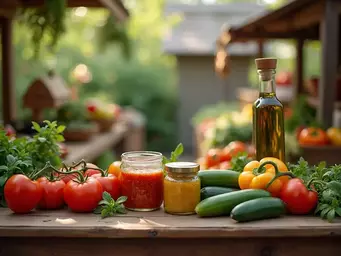
Embracing Local Food Sourcing

Support for local agriculture isn't just a trend; it’s a powerful movement reshaping the food and beverage landscape. With consumers increasingly curious about the origins of their meals, local sourcing is the bridge connecting chefs, producers, and patrons, enhancing quality and fostering community. Are you ready to dive into the myriad benefits of local sourcing?
What You Will Learn
- Local sourcing enhances the freshness and flavor of dishes by using ingredients harvested at their peak.
- Supporting local producers boosts the local economy, sustaining jobs and community businesses.
- By prioritizing local ingredients, restaurants can reduce their environmental impact through decreased transportation emissions.
- Utilizing local products fosters customer loyalty, as consumers often prefer businesses that engage with their community.
- Community Supported Agriculture (CSA) programs provide continuous access to seasonal produce and build strong connections between consumers and farmers.
- Farmers markets enhance the local sourcing experience by offering diverse produce and fostering community engagement.
- Incorporating local sourcing into your business strategy can enhance authenticity and differentiate your menu.
- Effective local SEO strategies can increase visibility and showcase a business's commitment to local sourcing.
Impact of Local Sourcing on the Food and Beverage Sector
Local sourcing enhances quality, supports local economies, and promotes sustainability. Below are key benefits highlighted in our analysis.
Freshness and Flavor
Local ingredients often taste better because they're harvested at their peak, enhancing overall dining experiences.
Support for Local Economy
Investing in local suppliers helps sustain community jobs and businesses, creating a stronger economic base.
Environmental Sustainability
Reduced transportation means a smaller carbon footprint, aligning with eco-friendly practices.
Customer Loyalty
Consumers appreciate businesses that prioritize local sourcing, fostering brand loyalty and trust.
Understanding Food and Beverage Local Sourcing
As we dive into the world of food and beverage local sourcing, it's essential to understand its significance in today's culinary landscape. Local sourcing is more than just a trend; it’s a commitment to quality, sustainability, and community. At Culinary Currents, we believe that embracing local ingredients not only enhances the dining experience but also fosters a deeper connection between chefs, producers, and patrons.
Many consumers today are curious about where their food comes from, and local sourcing provides them with answers. By sourcing locally, restaurants and hospitality venues can tell a story that resonates with their guests. Imagine the joy of knowing that your salad features greens from a nearby farm or that your steak comes from a ranch just down the road! This connection creates an experience that goes beyond the plate. Additionally, the United States Department of Agriculture (USDA) provides extensive resources on the benefits and impact of local food systems, further emphasizing the importance of this practice.
Defining Local Sourcing in the Food and Beverage Industry
So, what exactly is local sourcing? Simply put, it involves obtaining ingredients from producers within a specific geographical area, often within 100 miles of the restaurant or venue. This practice not only supports local economies but also reduces the carbon footprint associated with transporting food over long distances. As someone passionate about farm-to-table dining, I find immense joy in exploring the wealth of flavors that local sourcing brings to the table.
In addition to freshness, local sourcing often means that ingredients are in season, leading to vibrant flavors and colors on the plate. When restaurants choose to prioritize local products, they are not only championing quality but also aligning themselves with the values of sustainability and community engagement. You can learn more about the broader concept of sustainable food systems and their benefits for both consumers and the environment from Wikipedia's entry on Sustainable Food Systems, which highlights the interconnectedness of local sourcing with global sustainability goals.
What is Local Sourcing?
Local sourcing can encompass a variety of products, including fruits, vegetables, meats, dairy, and even beverages. Here are some key aspects to understand:
- Proximity: Ingredients should ideally be sourced from nearby farms or producers.
- Sustainability: Local sourcing encourages sustainable farming practices that benefit the environment.
- Quality: Fresh, local ingredients often taste better and are more nutritious than their non-local counterparts.
Importance of Local Ingredients for Businesses
For businesses, utilizing local ingredients can significantly boost their brand image and appeal to a growing demographic of conscious consumers. Here’s why local ingredients matter:
- Authenticity: Using local products can enhance your menu's authenticity, making it unique to your region.
- Customer Loyalty: Consumers appreciate businesses that support local farmers and the community, fostering loyalty.
- Community Engagement: Being part of the local ecosystem can lead to collaborations and partnerships that enrich the dining experience.
Key Components of Local Sourcing
When considering local sourcing, there are a few essential components to keep in mind that can make or break your approach. It's about establishing relationships that are beneficial for both the business and the producers.
Local Farms and Community Supported Agriculture (CSA)
Local farms play a pivotal role in the local sourcing movement. Many farms offer Community Supported Agriculture (CSA) programs, allowing consumers to buy shares in the farm's harvest. This not only ensures fresh produce but also fosters a direct connection between consumers and farmers. Participating in a CSA can be a delightful way for restaurants to secure seasonal ingredients while promoting local agriculture!
Here are benefits of working with local farms and CSAs:
- Access to seasonal produce that can't be found elsewhere.
- Opportunities for farm visits and relationship-building.
- Support for sustainable farming practices that protect the environment.
Farmers Markets and Urban Farms
Farmers markets are another fantastic avenue for sourcing local ingredients. These bustling marketplaces offer fresh, in-season produce straight from the hands that grew them. Plus, they create a vibrant community atmosphere! Urban farms also contribute to local sourcing by providing fresh ingredients in city areas, making them accessible to urban diners.
Here’s why farmers markets and urban farms are vital:
- Variety: They offer diverse produce that may not be available through traditional suppliers.
- Transparency: Buyers can speak directly to producers, learning about their farming practices.
- Community spirit: Supporting local markets fosters a sense of community and shared purpose.
As we explore the nuances of local sourcing, it’s clear that the benefits stretch far beyond the kitchen. By embracing local ingredients, we can create memorable dining experiences that honor the land and its people, which is at the core of what we do here at Culinary Currents. Ready to delve deeper into the benefits of local sourcing? Let’s keep the conversation going!
Pro Tip
Did you know? Collaborating with local chefs and suppliers can lead to unique menu offerings that highlight your region's culinary strengths. Consider hosting a "Farm-to-Table" night where local farmers share their stories and ingredients, creating an unforgettable experience for your guests while enhancing your brand's community presence!
Summarizing the Impact of Local Sourcing on the Food and Beverage Sector
Local sourcing is more than just a trend; it’s a vibrant shift in how we approach food and beverage in our industry. By focusing on sourcing ingredients from nearby farms and producers, we not only enhance the quality of our dishes but also create a stronger connection with our community. At Culinary Currents, I’ve witnessed firsthand how embracing local ingredients can foster authenticity and resonate with customers seeking fresh and flavorful experiences.
Here are some key takeaways on the benefits of local sourcing:
- Freshness and Flavor: Local ingredients often taste better because they're harvested at their peak.
- Support for Local Economy: Investing in local suppliers helps sustain community jobs and businesses.
- Environmental Sustainability: Reduced transportation means a smaller carbon footprint.
- Customer Loyalty: Consumers appreciate and trust businesses that prioritize local sourcing.
Final Thoughts on the Importance of Local SEO for Sourcing
As we dive deeper into local sourcing, it’s crucial to integrate effective SEO strategies to maximize visibility. Utilizing local keywords in your digital marketing can significantly enhance your reach. This means not just showcasing your local ingredients, but also ensuring that your online presence reflects your commitment to the community.
Here are a few essential tips for enhancing your local SEO:
- Use Local Keywords: Incorporate terms that reflect your location and the local products you use.
- Optimize Your Google Business Profile: Keep it updated with your latest offerings and local partnerships.
- Encourage Customer Reviews: Positive feedback can boost your search rankings!
- Create Engaging Local Content: Share stories about your local suppliers and their products.
Frequently Asked Questions About Local Sourcing
What is local sourcing in the food and beverage industry?
Local sourcing involves obtaining ingredients from producers within a specific geographical area, typically within a 100-mile radius, to ensure freshness, support local economies, and reduce environmental impact.
Why is local sourcing important for businesses?
Local sourcing enhances menu authenticity, builds customer loyalty, and strengthens community engagement. It also aligns businesses with values of sustainability and quality, appealing to conscious consumers.
How does local sourcing benefit the environment?
By reducing the distance food travels from farm to table, local sourcing significantly lowers transportation emissions, contributing to a smaller carbon footprint and promoting eco-friendly practices.
What are Community Supported Agriculture (CSA) programs?
CSA programs allow consumers (including restaurants) to buy shares directly from local farms, providing them with continuous access to seasonal produce and fostering direct relationships with farmers.
How can businesses get started with local sourcing?
To begin, research local farms and suppliers, visit farmers' markets to meet producers, build relationships with them, and gradually incorporate local ingredients into your menu. Promoting these efforts through marketing is also key.
How can local SEO help promote local sourcing efforts?
Effective local SEO involves using local keywords, optimizing your Google Business Profile, encouraging customer reviews, and creating content that highlights your local suppliers and products. This increases online visibility and showcases your commitment to the community.
Encouraging Action: Steps to Implement Local Sourcing Today
Getting Started with Your Local Sourcing Journey
Embarking on your local sourcing journey doesn’t have to be overwhelming. It can be as simple as reaching out to nearby farms or exploring farmers' markets in your area. At Culinary Currents, I've found that making connections with local producers often leads to wonderful collaborations and unique menu ideas!
Here’s a step-by-step guide to get you started:
- Research: Identify local farms and suppliers in your area.
- Visit Markets: Take trips to farmers' markets to meet producers and sample their goods.
- Build Relationships: Establish connections with local suppliers to foster mutual understanding.
- Incorporate Local Ingredients: Begin adding these ingredients to your menu and promote them in your marketing.
Inviting Feedback and Sharing Experiences in Local Sourcing
As we continue to embrace the power of local sourcing, I encourage you to share your experiences and insights. What challenges have you faced? What successes can you celebrate? Engaging with your community about local sourcing not only strengthens your brand but also inspires others to join the movement.
Consider these ways to invite feedback:
- Conduct Surveys: Ask your customers about their preferences for local sourcing.
- Host Events: Organize tasting events featuring local ingredients to gather feedback.
- Share Stories: Utilize social media to showcase your local sourcing efforts and encourage conversation.
By actively engaging with your audience and community, you contribute to a rich tapestry of local sourcing that benefits everyone involved. Together, we can create meaningful experiences in dining that reflect the essence of our local landscapes! What steps will you take today to start your local sourcing journey?
Recap of Key Points
Here is a quick recap of the important points discussed in the article:
- Understanding Local Sourcing: Local sourcing involves obtaining ingredients from producers within a specific geographical area, typically within 100 miles.
- Benefits of Local Sourcing: Enhances freshness, supports local economies, and promotes sustainability, leading to a smaller carbon footprint.
- Importance for Businesses: Using local ingredients boosts brand authenticity, fosters customer loyalty, and encourages community engagement.
- Utilizing Local Farms and Markets: Collaborating with local farms and participating in farmers' markets provides access to seasonal produce and strengthens community ties.
- SEO Strategies: Incorporate local keywords, optimize your Google Business Profile, and create engaging content to enhance online visibility.
- Taking Action: Start your local sourcing journey by researching local suppliers, visiting markets, and building relationships with producers.