Crafting Multi-Course Tasting Menus
Have you ever thought about how a meal can transform an event into a memorable experience? Multi-course tasting menus offer a unique way to engage guests through an artful journey of flavors and creativity. Let’s delve into the essential lessons that will elevate your event planning!
What You Will Learn
- Understanding the essence of multi-course tasting menus can enhance the overall dining experience at events.
- Tailoring your menu to suit the specific audience, whether for weddings, corporate gatherings, or holiday parties, is crucial for creating engagement.
- Incorporating seasonal ingredients not only improves flavor and freshness but also supports local producers and adds visual appeal to your dishes.
- Effective communication regarding dietary restrictions and preferences can significantly uplift guest satisfaction and demonstrate thoughtfulness.
- Utilizing taste testing and guest feedback will refine your menu development process and make future events even more successful.
Key Considerations for Crafting Multi-Course Tasting Menus
Explore the essential elements that contribute to an exceptional multi-course tasting menu. For more ideas on enhancing your menu, check out our guide on distinctive catering menu ideas.
Understand Your Audience
Tailor your menu to fit guests’ tastes and dietary needs.
Incorporate Seasonal Ingredients
Use fresh, local ingredients to enhance flavors and presentation.
Effective Communication
Engage with guests before, during, and after the event for feedback.
Balance Creativity and Preferences
Research and adjust menu options based on guest feedback.
Understanding the Fundamentals of Multi-Course Tasting Menus for Events
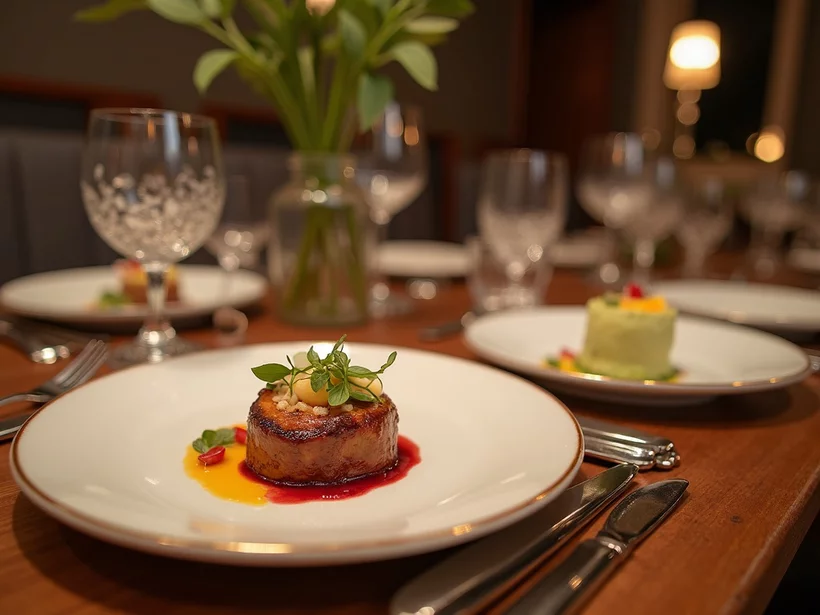
Multi-course tasting menus are a remarkable way to celebrate special occasions. These menus typically consist of several small dishes served in a specific order, allowing guests to experience a range of flavors and textures in a single meal. They hold significant value for events as they not only showcase culinary creativity but also create memorable dining experiences that foster connections among guests. Imagine savoring each course while delighting in the stories behind each ingredient—this is what a well-crafted tasting menu brings to the table!
Exploring the Concept of Tasting Menus
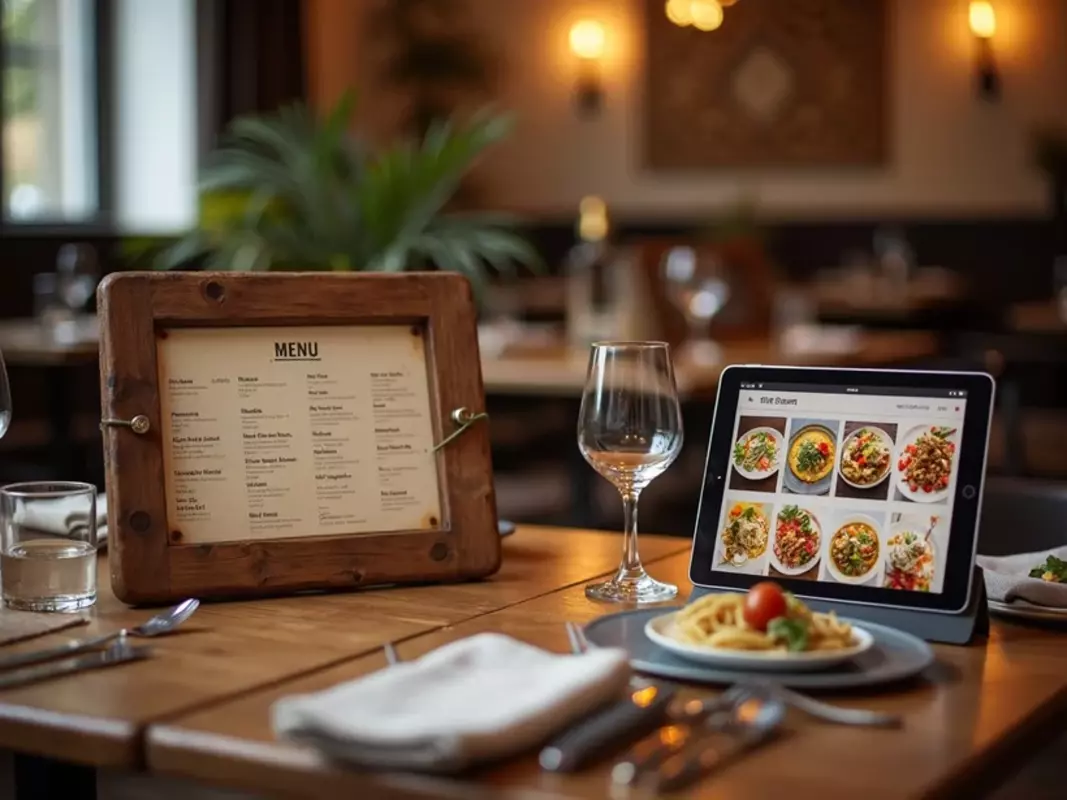
A multi-course tasting menu is an artful presentation of dishes, often designed by chefs to highlight seasonal ingredients and innovative techniques. The beauty of these menus lies in their intention to take diners on a journey through flavor, creating a cohesive dining experience that can be tailored for various occasions. Whether it’s an intimate wedding or a corporate gathering, these menus can be shaped to reflect the event’s theme and ambiance, offering a personalized touch that guests will appreciate. Discover more about menu innovation for dietary needs to further tailor your offerings.
- Highlights seasonal ingredients that tell a story.
- Encourages exploration of diverse flavors and textures.
- Creates a captivating dining experience that fosters engagement.
Identifying the Purpose and Audience for Your Menu
Understanding the purpose of your event is crucial in crafting the perfect tasting menu. Different events, such as weddings, milestone celebrations, or corporate functions, call for distinct approaches. For instance, a wedding tasting menu might emphasize romantic themes and intimate flavors, while a corporate gathering could focus on sophisticated dishes that impress clients. Tailoring your menu to the audience not only enhances the meal but also shows guests you value their experience.
- Weddings: Create an intimate atmosphere with romantic, personalized dishes.
- Corporate Gatherings: Focus on elegance and professional presentation.
- Holiday Parties: Incorporate festive flavors and seasonal ingredients.
The Role of Seasonal Ingredients in Tasting Menus
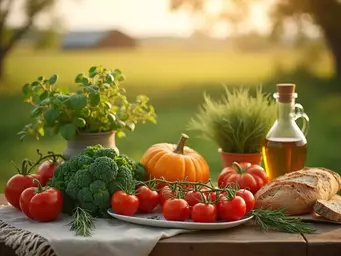
Using seasonal ingredients is vital in creating a multi-course tasting menu that shines! Not only do they offer better flavors, but they also allow for stunning presentations—fresh heirloom tomatoes in summer or cozy root vegetables in winter can elevate each dish. At Culinary Currents, we emphasize the importance of sourcing local, seasonal ingredients that reflect the essence of the season, making each dish a celebration of what nature has to offer at that moment. Learn more about embracing local food sourcing for your menu.
- Enhances flavor profiles and freshness.
- Supports local producers and sustainable practices.
- Elevates visual appeal with vibrant colors and textures.
Incorporating seasonal ingredients into your menu allows you to craft dishes that not only taste great but also resonate with the dining experience you aim to create. As you consider your tasting menu, remember that each bite should be a reflection of the time and place, creating memories that linger long after the meal is over.
Pro Tip
Did you know? Incorporating a theme into your multi-course tasting menu can significantly enhance the dining experience. By selecting a specific cuisine or concept—such as a regional focus, seasonal celebration, or even a storytelling element—you can create a cohesive narrative that draws guests in and makes each course feel like a part of a larger story. This not only elevates the meal but also makes it more memorable for everyone in attendance!
Addressing Common Questions About Multi-Course Tasting Menus
Common Challenges and Solutions in Menu Development
Creating a multi-course tasting menu can be daunting, especially for those new to event planning. Here, I want to highlight some common challenges and offer practical solutions that can smooth the process! From ingredient sourcing to balancing flavors, every step can feel overwhelming.
One major obstacle is often finding the right balance between creativity and guest preferences. To help you navigate this, consider these solutions:
- Research and Taste Testing: Before finalizing your menu, conduct tastings with different combinations to ensure flavors harmonize well.
- Guest Surveys: Send out surveys or engage in conversations to understand your guests' preferences and dislikes.
- Flexibility: Be open to adjustments based on seasonality and availability of ingredients. This adaptability can lead to delightful surprises!
FAQs: Clarifying Event-Specific Tasting Menu Concerns
It's important to anticipate your guests' needs when planning a tasting menu. One question I often encounter is about managing dietary restrictions. Guests today appreciate when their dietary needs are accommodated, which brings me to a few essential points!
Here’s how you can address common concerns:
- Allergen Awareness: Clearly label dishes with potential allergens and offer alternatives where possible.
- Dietary Restrictions: Always ask for dietary restrictions ahead of time and provide a couple of alternatives for each course.
- Customizable Options: Consider offering customizable components within each dish, allowing guests to choose what suits them best!
Frequently Asked Questions
- What is a multi-course tasting menu?
- A multi-course tasting menu consists of several small dishes served in a specific order, designed to provide guests with a journey through various flavors and textures, often showcasing seasonal ingredients and culinary creativity.
- Why are seasonal ingredients important for a tasting menu?
- Seasonal ingredients enhance flavor profiles, ensure freshness, support local producers, promote sustainable practices, and elevate the visual appeal of dishes with vibrant colors and textures.
- How do I tailor a tasting menu for different events?
- The menu should align with the event's purpose and audience. For weddings, focus on romantic themes; for corporate gatherings, emphasize elegance; and for holiday parties, incorporate festive flavors and seasonal ingredients.
- How can I accommodate guests with dietary restrictions?
- Communicate with guests in advance to gather dietary needs, clearly label dishes with potential allergens, offer alternative options for each course, and consider customizable components to ensure everyone feels valued and can enjoy the meal.
- What is the role of guest feedback in menu development?
- Guest feedback, gathered through pre-event communication or post-event surveys, is crucial for refining menu choices, understanding preferences, and demonstrating to guests that their input is valued for future events.
Understanding Dietary Restrictions and Guest Feedback
When planning your menu, it's vital to consider how dietary restrictions can affect your guests' experiences. I’ve learned that engaging with your guests before, during, and after the event makes a world of difference!
Here are some strategies for accommodating dietary needs and gathering valuable feedback:
- Pre-event Communication: Reach out to guests to gather dietary restrictions and preferences when they RSVP.
- Post-event Surveys: Send out a simple survey or ask for feedback verbally. This not only shows you care but also helps you improve for future events!
- Feedback Implementation: Use the feedback to refine your menu for subsequent events. Guests appreciate seeing their suggestions in action!
Wrapping Up Your Multi-Course Tasting Menu Experience
Recap of Key Considerations for Event Planning
We've journeyed through the essentials of crafting a memorable multi-course tasting menu! From understanding your audience to integrating seasonal ingredients, these elements are crucial for success. Key takeaways include:
- Knowledge of Your Guests: Tailor your menu to fit their tastes and dietary needs.
- Seasonal Ingredients: Incorporate what's fresh and local for the best flavor and presentation.
- Effective Communication: Ensure guests feel valued through thoughtful engagement before, during, and after the event!
Encouragement to Start Planning Your Tasting Event
Now that you’ve explored various aspects of multi-course tasting menus, it’s time to put your ideas into action! I encourage you to take the insights you've gained and begin crafting your unique tasting event. To assist you further, we offer downloadable templates and resources at Culinary Currents to help streamline your planning process. For more on creating unforgettable dining experiences, delve into engaging guests in farm-to-table dining.
What will your first course be? The canvas is yours—let your culinary creativity flow and create an experience that will linger in your guests’ memories! Happy planning! Discover more about crafting seasonal menus for hospitality to further inspire your event.
Recap of Key Points
Here is a quick recap of the important points discussed in the article:
- Understand Your Audience: Tailor your tasting menu based on the specific preferences and dietary needs of your guests.
- Utilize Seasonal Ingredients: Incorporate fresh, local ingredients to enhance flavors and improve presentation.
- Focus on Effective Communication: Engage with guests before, during, and after the event to ensure their experience is valued and to gather feedback.
- Address Dietary Restrictions: Be proactive in accommodating dietary needs by asking in advance and providing alternatives.
- Conduct Taste Testing: Experiment with different flavor combinations to find the perfect balance for your menu.