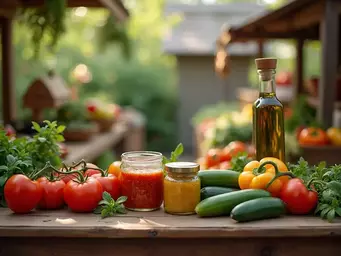
Fresh Ideas from Farm-to-Table

What if you could transform your restaurant's menu into a story that deeply connects diners to the land and the farmers who cultivate their food? Embracing farm-to-table principles isn't just a trend; it's a commitment to authenticity, sustainability, and community.
What You Will Learn
- Understanding the significance of local ingredient sourcing for flavor and community connection.
- The importance of seasonal menus in enhancing freshness and customer anticipation.
- How storytelling through menu descriptions can enrich the dining experience and build trust.
- The role of sustainability in restaurant operations, from waste reduction to supporting local economies.
- The nutritional benefits of organic produce and how it elevates the overall flavor profile of dishes.
- Strategies for implementing seasonal specials and engaging customers in the farm-to-table journey.
Key Aspects of Farm-to-Table Menu Innovation
Below are the essential components of farm-to-table principles in menu innovation, showcasing their significance in the culinary landscape. Crafting a farm-to-table menu involves careful consideration of these elements to truly deliver an authentic experience.
Ingredient Sourcing
Selecting fresh, local produce rather than relying on mass-produced options enhances quality and flavor.
Seasonality
Highlighting what’s fresh and in season leads to the best flavors and quality in dishes.
Community Engagement
Building relationships with local farmers fosters a sense of community and supports local economies.
Sustainability
Utilizing practices that support the environment and promote sustainable dining experiences.
Quality over Quantity
Focusing on fewer but higher-quality ingredients can lead to more memorable dining experiences.
Storytelling
Sharing the narrative of the ingredients and producers enhances the dining experience.
Understanding Menu Innovation Through Farm-to-Table Principles
As I delve into the world of menu innovation, I can’t help but get excited about how the farm-to-table movement has transformed restaurant menu planning. This approach doesn't just focus on serving food; it emphasizes connecting diners with the ingredients and the farmers behind their meals. Understanding farm-to-table principles is key to creating menus that resonate with today’s conscious consumers, who crave not just taste but also authenticity and sustainability.
At Culinary Currents, I often discuss how farm-to-table concepts prioritize local sourcing and seasonal availability, allowing chefs to craft menus that tell a story. When planning a menu based on these principles, it's essential to think about the following aspects:
- Ingredient Sourcing: Selecting fresh, local produce rather than relying on mass-produced options.
- Seasonality: Highlighting what’s fresh and in season to ensure the best flavors and quality.
- Community Engagement: Building relationships with local farmers to foster a sense of community.
Defining Farm-to-Table Concepts in Restaurant Menu Planning
To truly embrace farm-to-table concepts, let’s define what they mean in the context of restaurant menus. The goal is not just to use local ingredients, but also to create an experience that links diners to the land and the people who cultivate it. This in turn encourages a deeper appreciation for the food we eat and the effort that goes into growing it.
Farm-to-table dining embraces a philosophy that values freshness and transparency. Here are some core elements to consider:
- Sustainability: Utilizing practices that support the environment, ensuring a positive impact on local ecosystems.
- Quality over Quantity: Focusing on fewer but higher-quality ingredients can lead to more memorable dishes.
- Storytelling: Sharing the narrative of ingredients and producers enhances the dining experience.
The Rise of Seasonal Menus: Why They Matter
As restaurants continue to refine their offerings, the rise of seasonal menus has become increasingly significant. Seasonal menus enable chefs to showcase the best produce available at any given time, delivering freshness that customers can taste and appreciate. Adopting seasonal menus also provides the opportunity to create a dynamic dining experience that evolves throughout the year.
Here’s why seasonal menus are essential:
- Flavor Enhancement: Seasonal ingredients often have superior taste, leading to more delicious dishes.
- Cost Efficiency: Working with what's in season can help reduce food costs while maximizing flavor. Crafting seasonal menus for hospitality can also lead to increased customer loyalty.
- Customer Loyalty: Diners are drawn to restaurants that offer unique, fresh experiences adapted to the seasons.
The Importance of Food Transparency in Farm-to-Table
Food transparency is a cornerstone of the farm-to-table movement, and it plays a crucial role in restoring trust between consumers and the food they eat. Being open about where ingredients come from helps customers feel more connected to their meals. At Culinary Currents, we understand that providing this transparency not only builds credibility but also enhances the dining experience.
Consider these aspects of food transparency:
- Ingredient Origins: Clearly communicating the source of ingredients can create trust and excitement among diners.
- Ethical Practices: Sharing the sustainable practices of local farmers can resonate with eco-conscious diners.
- Menu Descriptions: Using descriptive language can elevate the perceived value of dishes by highlighting their origins.
In conclusion, embracing farm-to-table principles in menu innovation allows restaurant owners to create a meaningful connection with their patrons. By focusing on local sourcing, the rise of seasonal menus, and the importance of food transparency, we can enrich the dining experience and foster a deeper appreciation for the culinary arts. What stories will you share with your diners? Let's explore this journey together!
Quick Summary
Here's a brief recap of the key points discussed so far:
- Ingredient Sourcing: Prioritize fresh, local produce over mass-produced options.
- Seasonality: Highlight seasonal ingredients to ensure optimal flavors and quality.
- Food Transparency: Be open about ingredient origins to build trust and enhance the dining experience.
- Sustainability: Implement eco-friendly practices that resonate with today's conscious consumers.
Frequently Asked Questions about Farm-to-Table Menu Innovation
- What is the primary goal of farm-to-table principles in menu innovation?
- The primary goal is to connect diners with the ingredients and the farmers behind their meals, emphasizing authenticity, sustainability, and community. It aims to create a deeper appreciation for the food and its origins.
- Why are seasonal menus important for restaurants?
- Seasonal menus are important because they showcase the freshest produce, leading to superior flavor, enhanced customer anticipation, and potential cost efficiencies. They also offer a dynamic dining experience that evolves throughout the year.
- How does food transparency benefit a farm-to-table restaurant?
- Food transparency builds trust and credibility with customers by clearly communicating ingredient origins and ethical practices. This connection helps diners feel more engaged and appreciative of their meals, enhancing the overall dining experience.
- What role does sustainability play in farm-to-table menu planning?
- Sustainability is crucial, encompassing practices from reducing food waste and conserving resources to supporting local economies. It helps restaurants operate ethically, appeal to eco-conscious diners, and contribute positively to the environment.
- How do organic farms contribute to the nutritional value and flavor of dishes?
- Organic farms often produce ingredients with higher nutrient levels and richer flavors due to natural farming practices that avoid synthetic pesticides and fertilizers. This results in cleaner, safer, and more delicious food that elevates the dining experience.
Addressing Common Questions on Farm-to-Table Menu Innovation
As more restaurants embrace the farm-to-table movement, it’s natural for questions to arise about its impact on customer experiences and menu innovation. Here, I’ll tackle some of the most common inquiries that pop up when discussing seasonal menus and sustainable practices. Understanding these aspects can help you refine your restaurant offerings and strengthen connections with your patrons.
First off, let’s explore how seasonal menus can truly enhance customer engagement. By offering dishes that reflect the vibrant produce available at different times of the year, restaurants can create a sense of excitement and anticipation among diners. Seasonal menus not only showcase the freshest ingredients but also tell a story about the local agricultural landscape, inviting guests to partake in a shared culinary journey.
How Can Seasonal Menus Enhance Customer Engagement?
Seasonal menus can significantly boost customer engagement in several ways:
- Highlighting Freshness: Seasonal offerings capture the essence of peak flavor, making dishes more appealing.
- Creating Anticipation: Guests look forward to trying new dishes that celebrate the changing seasons.
- Building Community: Showcasing local ingredients fosters a sense of connection between the restaurant and its patrons.
By weaving local stories into your menu, you can transform a simple meal into an immersive experience that resonates with customers long after they’ve left your establishment!
What Role Does Sustainability Play in Menu Planning?
The role of sustainability in menu planning cannot be overstated, especially for businesses like Culinary Currents that are committed to promoting eco-friendly practices. Sustainability is not just about sourcing ingredients; it encompasses every aspect of restaurant operations, from reducing food waste to choosing energy-efficient appliances. Here are a few key elements to consider:
- Resource Management: Sustainable practices help conserve water, energy, and natural resources.
- Waste Reduction: Implementing strategies to minimize food waste contributes to a healthier environment.
- Supporting Local Economies: Sourcing locally strengthens community ties and boosts local agriculture.
As a restaurant owner, embracing sustainability sets you apart, making your establishment more appealing to today’s eco-conscious diners. For more on this, consider the insights on sustainable menus for eco-diners.
How Do Organic Farms Contribute to Nutritional Value?
When it comes to the nutritional value of food, organic farms play a pivotal role. They prioritize natural farming practices that can lead to healthier produce. Here are some benefits of sourcing from organic farms:
- Higher Nutrient Levels: Organic produce often contains more vitamins, minerals, and antioxidants.
- No Harmful Chemicals: Organic farming avoids synthetic pesticides and fertilizers, resulting in cleaner, safer food.
- Enhanced Flavor: Many chefs, including myself, find that organic ingredients often have a richer taste, elevating the overall dining experience.
By featuring organic ingredients on your menu, you’re not only providing health-conscious options but also enhancing the flavor profiles of your dishes!
Final Thoughts and Next Steps for Restaurant Owners
As you reflect on these insights, consider how you can take actionable steps to implement seasonal specials in your restaurant’s menu. It’s about more than just following trends; it's about creating meaningful connections with your guests and the local community.
Taking Action: Implementing Seasonal Specials in Your Menu
To effectively implement seasonal specials, here are a few steps to consider:
- Research Local Produce: Stay informed about what’s in season in your area.
- Experiment with New Recipes: Don’t be afraid to innovate and try unique combinations!
- Promote on Social Media: Use platforms like Instagram to showcase your seasonal dishes and create buzz.
Engaging your customers in the journey of your farm-to-table practices can lead to loyal patrons who appreciate your commitment to quality and sustainability.
Encouraging Community Feedback: Engaging Customers in Your Farm-to-Table Journey
Encouraging feedback from your customers can provide valuable insights into what they enjoy most about your seasonal offerings. Consider these strategies to foster a two-way conversation:
- Feedback Cards: Provide cards for guests to share their thoughts on seasonal dishes.
- Online Polls: Use social media to ask followers which seasonal flavors they love.
- Interactive Tastings: Host events where diners can sample and comment on new menu items.
Engaging customers not only strengthens their connection to your restaurant but also enriches your menu with ideas that are in line with their preferences.
Invitation for Consultation: Explore Tailored Farm-to-Table Strategies for Your Restaurant
Ready to dive deeper into the farm-to-table movement? At Culinary Currents, we’re here to help you explore tailored strategies that align with your restaurant’s vision and values. Let’s work together to elevate your menu and create unforgettable dining experiences! Learn more about embracing local food sourcing.
Engaging with Local Farmers' Markets for Fresh Ingredients
Don’t forget to connect with your local farmers' markets! Not only can they provide fresh ingredients, but they also serve as a platform for building relationships within your community. Collaborating with local producers not only enhances your menu but also tells a story that resonates with your customers. So, why not take a weekend to visit your local market and see what treasures await? Discover more about sourcing local produce tips.
Recap of Key Points
Here is a quick recap of the important points discussed in the article:
- Ingredient Sourcing: Prioritize fresh, local produce to enhance the quality of your dishes.
- Seasonality: Highlight seasonal ingredients to ensure superior flavor and create dynamic, evolving menus.
- Community Engagement: Build relationships with local farmers to foster a sense of community and support local economies.
- Sustainability: Implement eco-friendly practices in sourcing and operations to attract eco-conscious diners.
- Food Transparency: Clearly communicate ingredient origins and ethical practices to build trust with customers.
- Customer Engagement: Use seasonal menus to enhance customer anticipation and build loyalty.
- Feedback Mechanisms: Encourage customer feedback to refine menu offerings and strengthen connections.