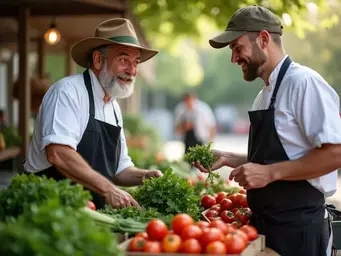
Partnering with Local Farmers
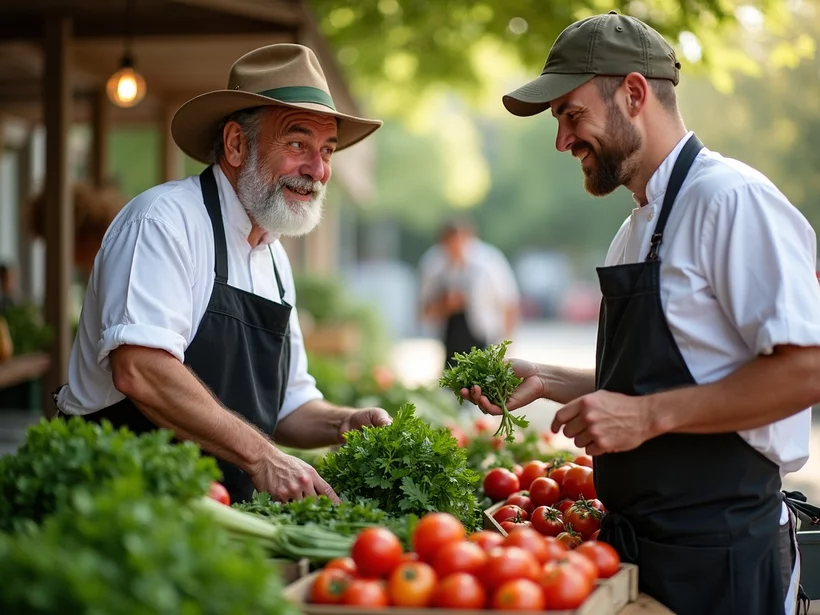
Have you ever wondered how your favorite restaurant sources its ingredients? The truth is that many establishments are forging powerful partnerships with local farmers, elevating the dining experience while supporting their communities. By engaging with local agriculture, restaurants can enhance their menus, foster loyalty, and create a more sustainable future.
What You Will Learn
- The importance of farm-to-table partnerships in enhancing ingredient quality and freshness.
- How collaborating with local farmers can reduce your restaurant's carbon footprint and boost community support.
- Strategies for effectively identifying and collaborating with local farms that align with your values.
- The role of local SEO in improving restaurant visibility through storytelling about local partnerships.
- Key metrics and tools to measure the success and ROI of your collaborations with local farmers.
- Engaging content strategies that can enhance customer connection and promote your local sourcing efforts.
- Ideas for community engagement through culinary events that emphasize local sourcing and sustainable practices.
Key Benefits of Farm-to-Table Partnerships
Farm-to-table collaborations provide numerous advantages that can greatly benefit restaurants, as highlighted below. These partnerships are a cornerstone of embracing local food sourcing, which elevates culinary offerings and strengthens community ties.
Freshness and Quality
Locally sourced ingredients taste better and are more nutritious.
Seasonal Menus
Dynamic menus change with each season to reflect local harvests.
Reduced Carbon Footprint
Shortening the supply chain minimizes transportation emissions.
Community Support
Customers appreciate supporting local agriculture, fostering loyalty.
Understanding the Importance of Collaborating with Local Farmers for Restaurants
In the dynamic world of hospitality, partnering with local farmers emerges as a game-changer for restaurants. Not only does it enrich the culinary experience, but it also strengthens community ties and boosts sustainable practices. At Culinary Currents, we believe that engaging with local farms is vital for enhancing your restaurant's offerings and connecting with your audience on a deeper level.
When you collaborate with local farmers, you bring fresh, seasonal ingredients to your kitchen. This commitment to quality can result in extraordinary dishes that reflect the richness of the area. It’s not just about sourcing ingredients; it's about creating a *relationship* with the land and the people who cultivate it.
Benefits of Farm-to-Table Partnerships
Farm-to-table partnerships offer numerous advantages that can transform your restaurant. Here are some key benefits:
- Freshness and Quality: Locally sourced ingredients often taste better and are more nutritious.
- Seasonal Menus: Working with local farmers allows for dynamic menus that change with each season. For more insights, explore crafting seasonal menus for hospitality.
- Reduced Carbon Footprint: Shortening the supply chain minimizes transportation emissions.
- Community Support: Customers appreciate supporting local agriculture, which fosters loyalty.
Enhancing Restaurant Visibility through Local SEO
In today's digital landscape, local SEO is crucial for restaurant visibility. By collaborating with local farmers, you create opportunities to optimize your website and social media content. Sharing stories about your partnerships can significantly improve your search engine rankings. Focus on keywords like “local farm partnership” or “fresh ingredients from nearby farms” to attract more guests.
Moreover, featuring local suppliers in your online content not only enhances your SEO but also builds credibility. Guests are more likely to choose your restaurant when they see you actively supporting local businesses!
Building Authentic Connections with Customers
Today’s diners crave authentic experiences that resonate with their values. By showcasing your partnerships with local farmers, you tell a story that invites them into your culinary journey. This connection can be deepened through events, social media, and community engagement.
Consider sharing behind-the-scenes content, like farm visits or cooking demos with local ingredients. This not only showcases your menu but also highlights the hard work and dedication of local farmers, creating a sense of community around your restaurant.
Strategies for Effective Collaboration with Local Farmers
Building strong relationships with local farmers requires thoughtful strategies. Here are some effective steps to consider:
- Research Local Farms: Identify farms that align with your restaurant's values and cuisine.
- Visit the Farms: Take the time to visit potential partners and understand their practices.
- Negotiate Fair Agreements: Establishing clear agreements ensures mutual benefit.
- Maintain Open Communication: Keep in touch regularly to adapt to seasonal changes and supply needs.
Identifying the Right Local Farms for Your Restaurant
Finding the perfect local farm partnership starts with knowing what you want. Are you looking for organic produce, dairy, or meats? Understanding your restaurant's needs will guide your search. It’s essential to research farms within your community that can meet those requirements.
Don't hesitate to ask for recommendations from other local restaurateurs or join community agricultural events. This proactive approach connects you with potential partners and fosters a spirit of collaboration within the culinary community! For further reading on this topic, consider our article on sourcing local produce tips.
Establishing Sustainable Supply Chain Agreements
A successful partnership is built on agreements that benefit both parties. When establishing supply chain agreements, consider the following:
- Terms of Delivery: Clarify how and when ingredients will be delivered.
- Pricing Structures: Ensure that pricing is fair and reflects the quality of the product.
- Volume Consistency: Agree on quantities to ensure your menu can be consistently supplied.
- Flexibility: Allow for changes based on seasonality and crop yield variations.
These agreements not only create a reliable supply chain but establish trust and collaboration with your local farmers. At Culinary Currents, we recognize that investing time in these relationships pays off in robust menus and satisfied guests!
Quick Summary
Here's a brief recap of the key points discussed so far:
- Partnering with local farmers enhances ingredient freshness and quality.
- Farm-to-table collaborations can boost restaurant visibility through local SEO.
- Building authentic connections with customers fosters loyalty and community support.
- Effective strategies for collaboration include research, visiting farms, and maintaining open communication.
Measuring the Success of Your Collaborations with Local Farmers
Evaluating the effectiveness of your partnerships with local farmers is crucial for ensuring long-term success. At Culinary Currents, I often emphasize that it’s not just about sourcing fresh ingredients, but also about understanding how these collaborations impact your restaurant’s bottom line. Let's explore how to measure the return on investment (ROI) from farm-to-table partnerships and assess their overall impact.
Tracking ROI from Farm-to-Table Partnerships
To truly understand the value of your collaborations, it’s essential to utilize the right metrics and tools. Metrics like increased sales, customer retention rates, and social media engagement can provide clear insights. Here are some key metrics to consider:
- Sales Growth: Compare sales figures before and after implementing local sourcing.
- Customer Feedback: Analyze reviews and ratings to gauge customer satisfaction.
- Market Share: Assess if local partnerships are attracting new customers.
By focusing on these metrics, you can create a comprehensive picture of how your farm-to-table initiatives are performing. Tracking these indicators consistently will help you understand what’s working and what might need adjustment.
Utilizing Metrics and Tools for Analysis
In today's digital age, there are various tools available to help track performance. I recommend implementing software that allows you to monitor sales, gather customer feedback, and even create detailed reports on your sourcing practices. Tools like:
- Point of Sale (POS) Systems for sales tracking
- Customer Relationship Management (CRM) Software to analyze customer interactions
- Social Media Analytics to measure engagement and reach
By leveraging these tools, you can gain actionable insights that can guide your future collaborations and marketing efforts.
Case Studies on Effective Monitoring and Reporting
Looking at successful case studies can provide inspiration for your own practices. For instance, a local restaurant that partnered with a nearby farm reported a 30% increase in sales after highlighting their farm-fresh ingredients in their marketing. They regularly shared updates and success stories, creating a strong narrative that resonated with their audience. Seeing real-world examples helps in understanding the tangible benefits of these partnerships.
Engaging Your Audience through Compelling Content
Creating engaging content around your local partnerships not only informs your customers but also strengthens your brand. At Culinary Currents, I love seeing how restaurants use storytelling to build connections. Here are some strategies to enhance your content:
Incorporating Visuals and Infographics in Your Marketing
Visual elements are incredibly powerful! Consider using stunning photography of your farm partners or infographics that show where your ingredients come from. Engaging visuals can:
- Highlight the farm-to-table journey
- Illustrate the benefits of local sourcing
- Attract attention on social media platforms
These visuals can tell a story that text alone cannot convey, making your marketing efforts more impactful.
Creating Testimonials and Spotlights on Local Farmers
Another way to engage your audience is by featuring testimonials from the farmers you work with. Share their stories, their farming practices, and the passion behind their products. This not only humanizes your brand but also builds trust within the community. Consider creating a segment in your newsletter or on your website dedicated to these spotlights!
Call to Action: Starting Your Farm-to-Table Journey
Encouraging restaurants to partner with local farmers is pivotal for elevating the entire dining experience. I believe that every culinary professional can benefit from connecting with their local agricultural community. Here’s how you can get started:
Encouraging Restaurants to Partner with Local Farmers
As you take the leap into farm-to-table dining, consider these steps:
- Research local farms that align with your values and vision.
- Schedule visits to discuss sourcing options and build relationships.
- Start small by integrating a few local ingredients into your menu and see how your guests respond.
By starting small, you can gradually expand your partnerships as you learn what resonates best with your patrons. This approach makes crafting a farm-to-table menu a manageable and rewarding endeavor.
Resources and Tools for Effective Collaboration
There are plenty of resources available to guide you in your collaborations. From networking events to online platforms, you can find support in various forms:
- Local Farmer Markets: A great place to meet and connect.
- Online Directories: Websites that list local suppliers.
- Workshops and Seminars: Educational opportunities to learn best practices.
Utilizing these resources will facilitate stronger partnerships and promote a thriving local food economy.
Fostering Community Engagement Through Culinary Events
Engaging with your community enhances your restaurant's reputation and fosters loyalty. Organizing culinary events can be a great way to connect with locals.
Organizing Farm Tours and Educational Workshops
Consider hosting farm tours or workshops to educate your customers about local farming practices and the importance of sourcing ingredients. These events not only promote your partnerships but also:
- Foster community relationships.
- Encourage sustainable practices.
- Enhance the dining experience with unique, memorable events.
Such hands-on experiences cultivate a deeper appreciation for food and enhance your restaurant's image as a community-focused establishment.
Participating in Farmers' Markets and Food Cooperatives
Active participation in farmers' markets is another excellent way to showcase your commitment to local sourcing. Not only can you sell your dishes featuring local ingredients, but you can also:
- Network with local farmers and producers.
- Engage with potential customers directly.
- Gather feedback and ideas for new menu items.
These interactions can inspire innovative ideas and strengthen your ties with the community, ultimately contributing to farm-to-table and local economies.
Frequently Asked Questions About Farm-to-Table Partnerships
Q1: What are the primary benefits of a restaurant partnering with local farmers?
A1: Partnering with local farmers offers numerous benefits, including enhanced freshness and quality of ingredients, the ability to create dynamic seasonal menus, a reduced carbon footprint due to shorter supply chains, and boosted community support and customer loyalty.
Q2: How can farm-to-table partnerships improve a restaurant's online visibility?
A2: By collaborating with local farmers, restaurants can enhance their local SEO. Sharing stories about these partnerships on websites and social media, using relevant keywords like "local farm partnership," improves search engine rankings, builds credibility, and attracts more guests.
Q3: What are some effective strategies for establishing collaborations with local farmers?
A3: Effective strategies include researching local farms that align with your restaurant's values, visiting farms to understand their practices, negotiating fair agreements that benefit both parties, and maintaining open communication to adapt to seasonal changes and supply needs.
Q4: How can restaurants measure the success and ROI of their farm-to-table initiatives?
A4: Success can be measured using various metrics such as sales growth (comparing figures before and after local sourcing), customer feedback (reviews and ratings), and market share (assessing new customer attraction). Tools like POS systems, CRM software, and social media analytics can help track performance.
Q5: What are some ways to engage customers and foster community through farm-to-table efforts?
A5: Restaurants can engage customers by creating compelling content, such as visuals and infographics highlighting the farm-to-table journey, and featuring testimonials or spotlights on local farmers. Organizing farm tours, educational workshops, and participating in farmers' markets also fosters community engagement and appreciation for sustainable practices.
Recap of Key Points
Here is a quick recap of the important points discussed in the article:
- Collaborate with Local Farmers: Enhance culinary offerings and foster community ties by sourcing fresh, seasonal ingredients.
- Farm-to-Table Benefits: Enjoy improved freshness, dynamic seasonal menus, a reduced carbon footprint, and stronger community support.
- Leverage Local SEO: Optimize online presence by sharing stories about local partnerships, which can enhance visibility and credibility.
- Build Authentic Connections: Engage diners through storytelling and events that highlight relationships with local farmers.
- Establish Fair Agreements: Maintain open communication and negotiate terms that benefit both parties in supply chain agreements.
- Track ROI: Utilize metrics like sales growth and customer feedback to measure the success of partnerships.
- Create Engaging Content: Use visuals, testimonials, and spotlights on local farmers to strengthen brand connections with your audience.
- Foster Community Engagement: Organize events such as farm tours and participate in farmers' markets to connect with the local community and promote sustainable practices.