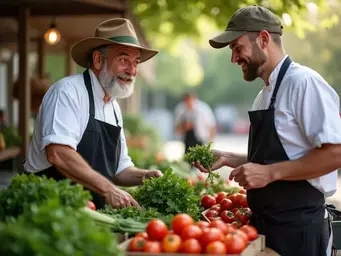
Farm-to-Table Dining and Guests

What if your next meal could tell you a story? Farm-to-table dining not only serves delicious food; it creates a deep emotional connection between diners and their meals, inviting them to appreciate the journey from farm to table. This growing movement is reshaping the dining landscape, emphasizing local sourcing, community support, and sustainability.
Key Takeaways
- Local Sourcing: Farm-to-table dining emphasizes sourcing ingredients from nearby farms, fostering community ties and supporting local agriculture.
- Seasonal Menus: Menus change with the seasons, highlighting fresh, unique dishes that reflect local produce availability.
- Enhanced Flavor: Fresh ingredients provide superior taste and nutritional benefits that processed foods cannot match.
- Emotional Connection: Understanding the journey of food creates a deeper appreciation and emotional ties, leading to repeat visits from guests.
- Chef-Farmer Collaborations: Strong partnerships between chefs and farmers lead to innovative dishes and a richer dining experience.
- Technology Integration: Utilizing apps and QR codes improves transparency and engages diners with the story behind their meals.
- Loyalty Programs: Effective loyalty initiatives can cultivate community and encourage repeat business through exclusive offers and events.
- Inclusivity: Creating diverse menu options and affordable dining experiences makes farm-to-table accessible to a broader audience.
Key Benefits of Farm-to-Table Dining
Explore the essential advantages of farm-to-table dining outlined below. For more insights on this topic, consider embracing local food sourcing in your culinary practices.
Enhanced Flavor
Fresh produce offers vibrant flavors that frozen or processed foods simply can’t match.
Nutritional Value
Fresh ingredients retain more nutrients, promoting healthier dining options.
Unique Offerings
Seasonal items lead to unique dishes that can't be found elsewhere.
Community Support
Guests feel good about supporting local farmers and businesses.
Understanding Farm-to-Table Dining and Its Impact on Guest Experiences
When we talk about farm-to-table dining, we’re diving into a delicious trend that emphasizes the importance of local sourcing. It's not just about the food on the plate; it's about the journey each ingredient takes from the farm to the table. This approach connects diners with their food, fostering a deeper appreciation for where it comes from and how it’s grown. At Culinary Currents, we believe that understanding this connection enhances the overall dining experience!
Farm-to-table dining allows guests to enjoy meals made from fresh, seasonal ingredients, often sourced from nearby farms. This practice not only supports local agriculture but also promotes sustainability, providing a more responsible way of eating. So, what exactly qualifies as farm-to-table? Let's explore the details!
Defining Farm-to-Table Dining: A Focus on Local Sourcing
Farm-to-table dining goes beyond just using fresh ingredients; it’s about *building a relationship* with local farmers and understanding the origins of the food we consume. Common elements that define this dining style include:
- Local Sourcing: Ingredients are sourced from farms within the region.
- Seasonal Menus: Menus change with the seasons, highlighting what's fresh and available.
- Transparency: Diners are informed about where their food comes from and how it's produced.
What Qualifies as Farm-to-Table?
To be considered truly farm-to-table, restaurants must prioritize relationships with local producers. This means seeking out growers who use sustainable practices and high-quality ingredients. The more direct the connection, the better! It's all about crafting an experience that resonates with guests and showcases the best of what the land has to offer. For more on how restaurants develop these menus, explore crafting a farm-to-table menu.
At Culinary Currents, we often share stories of how farmers and chefs collaborate to create heartwarming meals that tell a tale of their origins. And let me tell you, these stories bring an entirely new layer to dining!
The Importance of Fresh Ingredients in Dining
Fresh ingredients play a crucial role in the flavor and quality of dishes served in farm-to-table restaurants. When ingredients are picked at their peak ripeness and brought straight to the kitchen, the difference in taste is remarkable. Here are some key benefits of using fresh ingredients:
- Enhanced Flavor: Fresh produce offers vibrant flavors that frozen or processed foods simply can’t match.
- Nutritional Value: Fresh ingredients retain more nutrients, promoting healthier dining options.
- Unique Offerings: Seasonal items lead to unique dishes that can't be found elsewhere.
Exploring Local Farms and Fresh Produce
When we take the time to explore local farms, we discover a cornucopia of flavors just waiting to be transformed into culinary masterpieces. Visiting these farms not only sparks inspiration but also fosters a sense of community. It’s a great way to connect with the people behind the food we enjoy.
By building relationships with local farmers, restaurants can curate menus that reflect the local landscape. At Culinary Currents, we love to highlight farms in our area, showcasing the incredible produce they grow and the passionate individuals behind them. If you haven't yet ventured to a local farm, I highly encourage you to do so; it’s a rewarding experience for both the palate and the heart!
The Psychological Connection: Why Guests Prefer Farm-to-Table
There’s more than meets the eye when it comes to why guests choose farm-to-table dining. It taps into something deeper—an emotional connection to food and the environment. When guests understand the journey of their meals, they feel more engaged and satisfied.
Farm-to-table dining fosters a sense of belonging and community, allowing diners to be part of something larger—a sustainable movement that appreciates local resources and supports the economy. This connection often translates to repeat visits, as guests seek out those memorable experiences that leave them craving more.
The Emotional Appeal of Local Foods
Local foods often evoke feelings of nostalgia and comfort. They remind us of family gatherings, home-cooked meals, and the simple joy of savoring fresh flavors. When people dine on locally sourced dishes, they often feel a deeper appreciation for the effort and care that goes into their meal. It’s not just food; it’s a reminder of our roots and the community that nurtures them. To learn more about how this impacts local economies, read about farm-to-table and local economies.
For many, farm-to-table dining is a way to support local economies while enjoying delicious meals. It's a win-win! How often do you find yourself reminiscing about your last farm-fresh meal? The emotional connection we form with our food is undeniable.
Behavioral Insights: Repeat Visits and Guest Loyalty
When guests enjoy a memorable dining experience, they are likely to return. The psychological impact of knowing where their food comes from can inspire loyalty and repeat business. Here are a few reasons why:
- Positive Memories: Great meals create lasting impressions.
- Community Support: Guests feel good about supporting local farmers and businesses.
- Engagement Opportunities: Many farm-to-table restaurants host events that foster a sense of community.
As a hospitality venue, understanding these insights can help shape your approach to customer service and menu development. In doing so, you create a vibrant atmosphere that keeps guests coming back for more!
Engagement Question
As you reflect on your dining experiences, we’d love to know: What aspect of farm-to-table dining resonates with you the most? Is it the freshness of the ingredients, the connection to local farmers, or the unique flavors of seasonal dishes? Share your thoughts below!
Addressing Content Gaps: Unique Insights into Farm-to-Table Dining
In the world of farm-to-table dining, the relationship between chefs and farmers is crucial. These chef-farmer partnerships not only enhance the menu but also create a community spirit that resonates with guests. Through these collaborations, we witness the blending of culinary creativity and agricultural expertise, resulting in dishes that tell a story. As a culinary enthusiast, I’ve found that this synergy often leads to menu items that are not just meals but memorable experiences. Learn more about local sourcing and menu innovation.
When chefs and farmers work closely together, they can develop unique dishes that highlight seasonal ingredients. For example, a chef might discover a new variety of heirloom tomato from a local farmer and decide to create a special dish featuring it. This relationship helps to innovate menus and keeps the dining experience fresh and exciting!
How Collaborations Influence Menu Development
Collaborations between chefs and farmers can lead to a wealth of creative possibilities. Here are some ways these partnerships influence menu development:
- Seasonal specialties: Menus that change with the seasons showcase the freshest ingredients.
- Flavor profiles: Unique local ingredients can inspire new flavor combinations.
- Storytelling: Each dish can carry a narrative, connecting guests to the source of their food.
Storytelling Through Food: Enhancing Guest Connections
Food becomes a form of storytelling when chefs articulate the journey of ingredients from farm to table. It’s exciting to know where your meal comes from and the people who grew it! This connection fosters a sense of community and makes the dining experience more profound.
Imagine sitting in a cozy restaurant, savoring a dish while hearing the story of the farmer who cultivated the ingredients. It’s these stories that make each bite special and memorable. At Culinary Currents, we believe that every plate can narrate a tale, enriching the overall guest experience.
Chef Collaboration and Menu Innovation
Chef collaboration extends beyond just local sourcing; it’s about pushing culinary boundaries. By working together, chefs can:
- Experiment: Try new cooking techniques and flavor pairings.
- Share knowledge: Pass on tips and skills that enhance their culinary craft.
- Host special events: Create unique dining experiences that celebrate local produce.
This spirit of innovation is what keeps the dining scene vibrant and appealing. When chefs collaborate, the culinary landscape becomes a dynamic canvas filled with exciting flavors and creative presentations!
Technology Integration in Farm-to-Table Experiences
In today’s digital age, technology plays a significant role in enhancing the farm-to-table experience. By leveraging tech, restaurants can provide more transparency and connection with their guests. Let’s explore some ways technology is being used in this culinary movement!
Using Technology for Enhanced Transparency
Transparency is key in cultivating trust with patrons. With technology, restaurants can easily share:
- Ingredient sourcing: Information about where ingredients are sourced from, making it clear how local their food truly is.
- Seasonal availability: Updates on what’s in season and ready to be enjoyed.
- Farm partnerships: Insights into the farms they collaborate with and their sustainable practices.
Apps and QR Codes: Modernizing Guest Engagement
Modern technology also allows for interactive experiences through apps and QR codes. At Culinary Currents, I find it thrilling to see how these tools can connect diners to their meal:
- Menu scanning: Guests can scan QR codes to see detailed information about each dish, including the farmers involved.
- Feedback platforms: Apps that encourage guests to share their thoughts, enhancing the restaurant's offerings.
- Recipe sharing: Special recipes can be made available for guests to try at home, fostering a deeper connection to the meal.
Technology is transforming the dining experience, making it easier for guests to engage with their food and its origins!
Engagement Strategies and Post-Dining Relationships
Building lasting relationships with guests is essential for any farm-to-table restaurant. By fostering community and encouraging repeat visits, restaurants can create a loyal following. Here are a few strategies to consider:
Loyalty Programs: Fostering Community and Repeat Business
Loyalty programs can be an effective way to keep guests coming back. Here are some ideas to enhance these programs:
- Exclusive offers: Incentives for regular patrons, such as discounts on seasonal menu items.
- Special events: Invitations to exclusive tastings or farm visits.
- Referral bonuses: Encouragements for guests to bring friends, enhancing community ties.
Building Lasting Relationships with Guests
Beyond loyalty programs, personal touches can make a significant impact. Simple gestures like remembering a guest’s favorite dish or sending a thank-you note can create a warm atmosphere. At Culinary Currents, I always emphasize the importance of these connections—they can turn a one-time diner into a lifelong patron!
Post-Dining Engagement Strategies to Maintain Interest
Once guests leave, the journey doesn’t have to end! Engaging them through:
- Email newsletters: Share updates about seasonal menus and upcoming events.
- Social media: Encourage guests to share their experiences and engage with your restaurant online.
- Feedback requests: Invite guests to provide input on their dining experience, making them feel valued.
These strategies keep the conversation going and nurture a sense of community that extends beyond the dining table!
Accessibility and Affordability: Making Farm-to-Table Dining Inclusive
In my experience, it's essential to make farm-to-table dining accessible to everyone. By implementing strategies that accommodate various income levels, restaurants can invite a broader audience to enjoy fresh, local cuisine.
Strategies for Diverse Income Levels
Here are some strategies to consider for making farm-to-table dining more inclusive:
- Price variety: Offering a range of menu items at different price points ensures everyone finds something they love.
- Community nights: Designating specific days where prices are reduced can draw in a larger crowd.
- Partnerships: Collaborating with local non-profits to provide meals at reduced prices for those in need.
Creating an Inclusive Dining Environment
Creating an inclusive atmosphere is also vital. Here are some tips to foster a welcoming environment:
- Diverse menu options: Incorporate vegetarian, vegan, and gluten-free choices.
- Inviting decor: Use warm colors and comfortable seating to create a cozy space.
- Community events: Host regular gatherings that encourage dialogue and connection among guests.
By embracing inclusivity, we can ensure that everyone has the opportunity to experience the joy of farm-to-table dining!
Summing Up the Enhancements to Guest Experiences
Farm-to-table dining is more than just a trend; it’s a movement that elevates guest experiences through fresh ingredients, personal connections, and community engagement. As we’ve explored, the benefits are numerous and impactful, from healthier dining choices to stronger local ties. For more insights, consider learning about farm-to-table dining insights.
Review of Key Takeaways on Farm-to-Table Dining
In reviewing the essential aspects of farm-to-table dining, here are some key takeaways to remember:
- Flavor and freshness: Local sourcing enhances taste and variety.
- Health benefits: Fresh, organic ingredients contribute to better well-being.
- Community impact: Supporting local farms strengthens regional economies.
- Sustainability: Eco-friendly practices benefit the environment.
- Guest engagement: Strong relationships foster loyalty and repeat visits.
Encouraging Audience Engagement and Feedback
As we wrap up this exploration of farm-to-table dining, I’d love to hear your thoughts! What are your favorite experiences with local dining? Have you discovered any hidden gems? Reach out and share your journey with us at Culinary Currents—we're always eager to connect with fellow food lovers!
Providing Resources for Exploring Local Farm-to-Table Options
If you're inspired to explore more local farm-to-table options, consider checking out:
- Local farmer's markets: A great way to find fresh produce and connect with local growers.
- Online directories: Websites that list farm-to-table restaurants in your area.
- Cookbooks: Guides that focus on seasonal cooking and feature local ingredients.
Let's celebrate the beauty of fresh, local food and the vibrant community surrounding it!
Frequently Asked Questions About Farm-to-Table Dining
- What is farm-to-table dining?
- Farm-to-table dining is a culinary movement that emphasizes sourcing ingredients directly from local farms. It focuses on fresh, seasonal produce and building relationships between chefs and local producers, promoting sustainability and community support.
- What are the key benefits of farm-to-table dining?
- Key benefits include enhanced flavor and nutritional value from fresh ingredients, unique seasonal offerings, support for local farmers and businesses, and a deeper emotional connection for diners to their food's origins.
- How does farm-to-table dining enhance guest experiences?
- It enhances guest experiences by offering fresh, high-quality meals, fostering an emotional connection to food, providing transparency about ingredient sourcing, and creating a sense of community through support for local agriculture.
- What role do chef-farmer collaborations play?
- Chef-farmer collaborations are crucial for menu innovation, allowing chefs to create unique, seasonal dishes inspired by local produce. These partnerships also help tell the story behind the food, enhancing the dining experience.
- How is technology used in farm-to-table experiences?
- Technology, such as apps and QR codes, is used to enhance transparency by providing information on ingredient sourcing and seasonal availability. It also modernizes guest engagement through interactive menus and feedback platforms.
- How can farm-to-table dining be made more inclusive?
- Inclusivity can be achieved through strategies like offering price variety on menus, hosting community nights with reduced prices, partnering with non-profits, and providing diverse menu options (vegetarian, vegan, gluten-free) in a welcoming environment.
Recap of Key Points
Here is a quick recap of the important points discussed in the article:
- Local Sourcing: Prioritize ingredients from nearby farms to enhance flavor and support local agriculture.
- Seasonal Menus: Change menus with the seasons to showcase fresh, available ingredients.
- Transparency: Inform diners about the origins and production of their food to build trust and engagement.
- Community Connections: Foster relationships with local farmers and engage guests through storytelling about their food.
- Health Benefits: Fresh ingredients retain more nutrients and contribute to healthier dining options.
- Engagement Strategies: Use loyalty programs and post-dining engagement to cultivate repeat visits and community ties.
- Inclusivity: Make farm-to-table dining accessible through diverse pricing and menu options to welcome all diners.