Perfect Drinks for Farm Meals
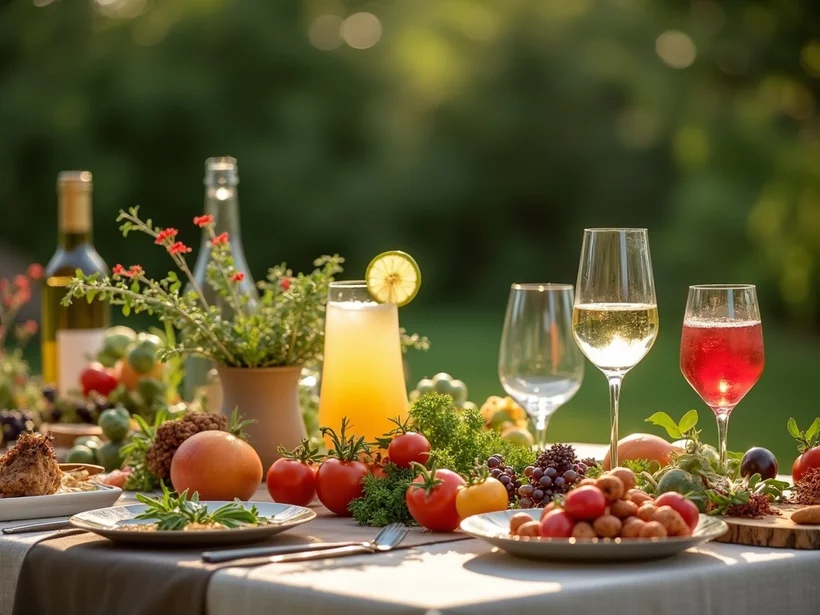
When it comes to dining, the magic often lies in the details. Imagine a lush garden brimming with seasonal produce, each ingredient bursting with flavor and ready to be paired with the perfect drink. This article explores the art of pairing beverages with farm-to-table meals, revealing how thoughtful choices can elevate your dining experience.
What You Will Learn
- The essence of farm-to-table dining is its commitment to using local and seasonal ingredients, enhancing flavor and sustainability.
- Beverage pairings can elevate the dining experience by enhancing flavors and creating a harmonious balance with food.
- Understanding complementary versus contrasting pairings is crucial for crafting unique and exciting flavor profiles in your dishes.
- Local ingredients in beverage selections create synergies and support community ties, offering guests a memorable dining experience.
- Sustainability can be promoted through beverage choices by selecting local wines and craft beers that practice eco-friendly methods.
- Exploring current beverage trends, such as organic juices and non-alcoholic options, can enhance your pairing repertoire and cater to diverse preferences.
Beverage Pairing Principles for Farm-to-Table Cuisine
Understanding how to pair beverages with farm-to-table meals enhances the dining experience. Below are key principles to consider. For more insights on sourcing ingredients, consider embracing local food sourcing.
Complementary Pairings
Enhance similar flavor profiles, such as pairing a savory seafood dish with a tropical fruit-based cocktail.
Contrasting Pairings
Create delightful contrasts, like serving a spicy dish with a sweet, fruity beverage.
Acidity
Brightens dishes and cuts through rich flavors, enhancing the overall experience.
Sweetness
A sweet wine or cocktail can balance spicy dishes beautifully, creating harmony.
Tannins
Found in red wines, they can add depth and astringency to flavor pairings.
Understanding Beverage Pairings for Farm-to-Table Meals
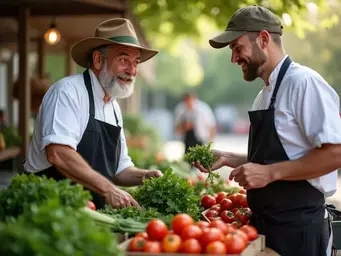
When we talk about farm-to-table dining, we’re diving into a delightful world where freshness reigns supreme. Imagine a meal crafted from ingredients sourced within the community, celebrating the seasons and the hard work of local farmers. This approach not only nourishes our bodies but also connects us with the land and the people behind our food.
The essence of farm-to-table dining lies in its commitment to using local, seasonal ingredients. It’s more than just a trend; it’s a philosophy that promotes sustainability and supports the local economy. By choosing what’s in season, we can enjoy produce at its peak flavor while reducing our carbon footprint. What’s not to love about that? For more on this, check out our guide on farm-to-table and local economies.
Defining Farm-to-Table Dining
Farm-to-table dining emphasizes a direct connection between the plate and the farm. It encourages chefs to create menus that reflect the bounty available locally. This means you might find vibrant heirloom tomatoes in summer and hearty squash in autumn, each ingredient chosen for its flavor and freshness.
At Culinary Currents, we believe this approach transforms not just the dishes we serve but the entire dining experience. With every bite, guests can taste the passion and dedication of local farmers. By staying true to this philosophy, we can inspire culinary innovation that resonates with today’s discerning patrons.
The Importance of Beverage Pairings
Now, let’s talk about why beverage pairings are the perfect companion to farm-to-table meals. When done right, they elevate the dining experience, enhancing flavors and creating a harmonious balance. Think of a crisp white wine paired with fresh asparagus; the acidity complements the dish beautifully, making each bite more exciting!
- Enhance Flavors: The right beverage can bring out subtle notes in your dishes.
- Balance Tastes: Pairing beverages with varying levels of sweetness or acidity can create a delightful contrast.
- Support Local Producers: Opting for local wines or craft beers ties back to the farm-to-table philosophy we cherish.
Ultimately, the goal of beverage pairings is to provide a cohesive experience that leaves guests feeling satisfied and inspired. It’s about making connections—between flavors, between people, and between the land and our tables.
Pairing Principles for Farm-to-Table Cuisine
Complementary vs. Contrasting Pairings
When it comes to pairing beverages with food, understanding complementary versus contrasting pairings is key! Complementary pairings enhance similar flavor profiles, while contrasting pairings create a delightful surprise on the palate. For example, a rich, creamy risotto pairs wonderfully with a light, zesty white wine that cuts through the richness.
As chefs, we can explore both approaches while crafting seasonal menus. Let’s consider:
- Complementary Pairings: A savory seafood dish with a tropical fruit-based cocktail.
- Contrasting Pairings: A spicy dish served with a sweet, fruity beverage.
Finding the right balance between these two methods can make your menu choices even more compelling. What are your favorite pairings? I would love to hear about your culinary adventures!
Flavor Profiles to Consider
Understanding flavor profiles is essential for successful beverage pairings. Key elements to think about include:
- Acidity: Helps to brighten dishes and cut through rich flavors.
- Tannins: Found in red wines, they can add depth and astringency.
- Sweetness: A sweet wine or cocktail can balance spicy dishes beautifully.
- Bitterness: Ingredients like hops in beer can contrast well with sweet flavors.
- Body: The weight of the beverage should match the richness of the food.
By considering these elements, we can create beverage pairings that not only complement our farm-to-table offerings but also captivate our guests’ taste buds. It’s all about crafting an experience they won’t forget!
Local Ingredients and Beverage Synergies
Utilizing local ingredients in our beverage selections can lead to exciting synergies. When we collaborate with local wineries, craft breweries, and artisanal producers, we create a unique dining experience that tells a story. Imagine serving a fresh salad topped with local goat cheese, paired with a nearby winery's crisp Sauvignon Blanc. It’s a match made in culinary heaven!
Supporting these local businesses not only enhances our menus but also strengthens our community ties. Here are some ways to incorporate local ingredients:
- Feature Local Wineries: Highlight wines from nearby vineyards on your menu.
- Collaborate with Craft Breweries: Offer beers that complement your seasonal dishes.
- Source Artisanal Products: Include spirits or mixers made by local distilleries to craft unique cocktails.
By integrating local flavors into our beverage pairings, we create a farm-to-table narrative that resonates with guests eager to support their community. It’s a delicious way to celebrate the land and its bounty! For further reading, explore bar management for farm-to-table.
Pro Tip
When creating beverage pairings, consider the concept of seasonal synergy. This means not only matching flavors but also aligning the beverage with the seasonality of the dish. For example, a light, fruity cocktail with herbs in the summer can complement the fresh produce, while a rich, spiced mulled wine in winter can enhance hearty root vegetables and warming spices. Embrace the seasonal narrative in your pairings for an even more immersive dining experience!
Final Thoughts on Crafting Thoughtful Beverage Pairings
As we wrap up our exploration of beverage pairings for farm-to-table meals, it’s essential to remember a few key takeaways. Successful pairings are not just about what tastes good together; they embody a philosophy that respects local ingredients and seasonal availability. By focusing on the harmony between the drink and the dish, we can create dining experiences that truly resonate with guests.
When I think about the core of farm-to-table dining at Culinary Currents, I envision a table brimming with vibrant produce, each ingredient telling its own story. Adding the right beverage not only enhances flavors but also elevates the entire meal, making it an unforgettable experience. So, as you consider your own pairings, remember to embrace creativity and flexibility!
Encouraging Sustainable Practices Through Pairing
Beverage pairings play a crucial role in promoting sustainability in our dining choices. By selecting local wines, craft beers, and artisanal spirits, we can reduce our carbon footprint while supporting the hard-working producers in our communities. This practice not only enhances flavors but also strengthens the bond between our dining experiences and the environment.
Here are a few ways to encourage sustainability through beverage pairings:
- Choose wines from nearby vineyards that practice eco-friendly farming.
- Incorporate seasonal beers from local breweries that utilize regional ingredients.
- Highlight artisanal spirits made from organic or sustainably sourced materials.
By sharing these choices with guests, we can help them appreciate the value of supporting local and sustainable practices, all while enjoying memorable flavors together!
Engaging Your Audience with Beverage Pairing Ideas
FAQs on Beverage Pairings for Farm-to-Table Meals
Addressing common questions about beverage pairings can help chefs and home cooks alike feel more confident in their selections. Here are some frequently asked questions that can illuminate the pairing process:
- What should I consider when pairing beverages with food? Think about the dish's flavors, richness, and texture.
- Can non-alcoholic beverages be paired effectively with meals? Absolutely! Think of sparkling waters, herbal teas, or fresh juices.
- How can I highlight local options in my beverage pairings? Research local producers and consider seasonal offerings that complement your menu.
- What is the difference between complementary and contrasting pairings? Complementary pairings enhance similar flavor profiles (e.g., savory with savory), while contrasting pairings create a delightful opposition (e.g., spicy with sweet).
- How do local ingredients in beverages contribute to the farm-to-table philosophy? They strengthen community ties, support local economies, and offer a unique regional dining experience.
By providing answers to these questions, we can encourage our guests to embrace the art of pairing and share their experiences with others!
Call to Action: Experiment with Your Own Pairings
Now that you’re armed with the knowledge of effective pairing strategies, it’s time to put them into practice! I encourage you to experiment with your own beverage pairings at home or in your restaurant. Taste the joy of discovering how different drinks can elevate your meals—it's a delicious adventure!
Don’t hesitate to explore local options, whether that’s a refreshing craft beer with grilled veggies or a rich red wine to complement a hearty stew. The fun lies in the exploration, so gather your friends and family, and make an evening of it! You might also find inspiration in beverage pairing trends for dining.
Exploring Beverage Trends and Innovations
As we dive deeper into the world of beverage pairings, it’s fascinating to see new trends emerge. Currently, organic juices, craft cocktails, and non-alcoholic options are gaining popularity. These trends reflect a growing interest in health and wellness, as well as a desire to explore unique flavors.
Some noteworthy trends to watch include:
- Organic Juices: Freshly pressed juices that can invigorate any meal.
- Craft Cocktails: Unique concoctions that highlight seasonal ingredients and local spirits.
- Non-Alcoholic Options: Delicious beverages that cater to all, allowing everyone to enjoy the pairing experience.
By staying attuned to these innovations, we can continually refresh our beverage pairings and delight our guests at Culinary Currents with exciting new offerings! For more ideas, consider fresh ideas from farm to table.
Recap of Key Points
Here is a quick recap of the important points discussed in the article:
- Farm-to-Table Philosophy: Emphasizes local, seasonal ingredients to enhance freshness and support the local economy.
- Beverage Pairing Importance: Enhances flavors, balances tastes, and supports local producers, leading to a cohesive dining experience.
- Complementary vs. Contrasting Pairings: Understand the difference to create exciting flavor profiles and enhance the dining experience.
- Flavor Profiles: Consider acidity, tannins, sweetness, bitterness, and body for successful beverage pairings.
- Support Local Producers: Highlight local wines, craft beers, and artisanal spirits to strengthen community ties and enhance menus.
- Sustainability Practices: Select eco-friendly options to reduce carbon footprint while enjoying memorable flavors.
- Engage Your Audience: Answer common questions and encourage experimentation with beverage pairings for a more interactive dining experience.