Sourcing Local Produce Tips
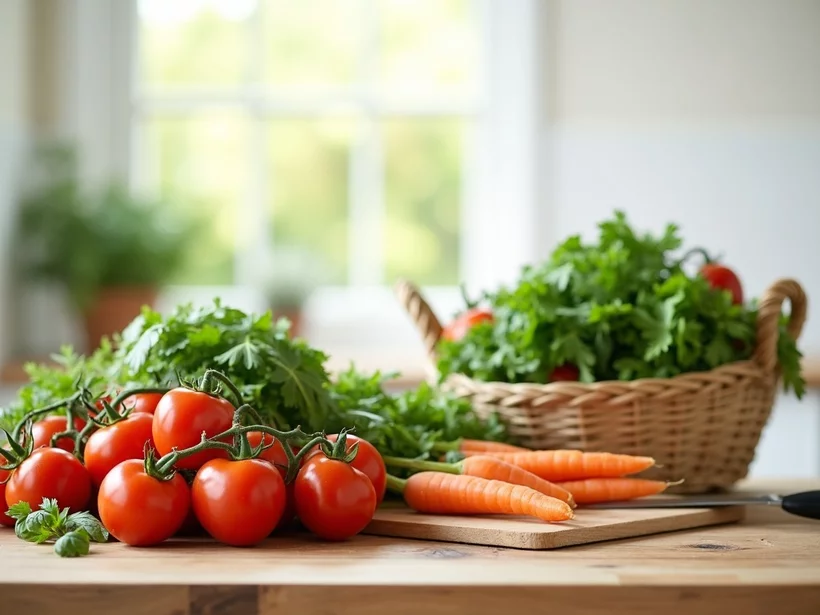
In a world where food travels thousands of miles to reach our plates, the farm-to-table movement urges us to reconsider our choices. What if the freshest ingredients were just around the corner? This shift not only enhances our meals but also nurtures our communities and environments. Dive deeper into the significance of local produce to transform your dining experience and support sustainable practices.
What You Will Learn
- Flavor and Freshness: Local produce ensures maximum freshness, resulting in better taste and nutrition for dishes.
- Support for Local Farmers: Sourcing locally strengthens the economy and sustains farming communities, benefiting everyone involved.
- Environmental Benefits: Reduced transportation leads to a smaller carbon footprint, promoting sustainable eating practices.
- Seasonal Variety: Utilizing seasonal ingredients encourages creativity in menu design and enhances the dining experience.
- Health Benefits: Fresh, local produce often retains more vitamins and minerals, supporting a healthier lifestyle for diners.
- Cost Considerations: While local ingredients may vary in price, their quality can lead to higher customer satisfaction and loyalty.
- Engagement with Community: Building relationships with local farmers and sharing their stories fosters a stronger connection between diners and their food sources.
- Continuous Improvement: Regularly updating supplier lists and incorporating seasonal themes keeps menus vibrant and exciting.
Key Benefits of Sourcing Local Ingredients
Local ingredients bring a multitude of advantages that enhance the dining experience and support the community. Explore the key benefits highlighted below. For a deeper dive into this topic, consider embracing local food sourcing in your culinary practices.
Flavor and Freshness
Local produce travels fewer miles, ensuring peak freshness and flavor, enhancing the taste of dishes.
Support for Local Farmers
Buying local strengthens the economy and sustains farming communities, keeping money within the local area.
Environmental Impact
Reduced transportation means a smaller carbon footprint, promoting sustainability in the culinary industry.
Seasonal Variety
Encourages creativity in menu design, as chefs adapt to what’s available, providing unique dining experiences.
Understanding the Importance of Local Produce in Farm-to-Table Dining
When we think about farm-to-table dining, it’s easy to get lost in the beautiful visuals of fresh ingredients and thoughtfully crafted dishes. But at its core, the importance of local produce goes beyond aesthetics; it’s about connecting with our communities and creating a sustainable culinary culture. Let’s dive into why sourcing local ingredients is not just a trend but a vital aspect of our dining experiences.
First and foremost, local produce offers a plethora of benefits that enhance menu quality and bolster community spirit. By embracing seasonal ingredients from local farms, chefs can craft menus that are not only delicious but also resonant with the flavors of the land. Imagine biting into a juicy heirloom tomato that was picked just hours before it graced your plate! This freshness not only elevates the taste but also captures the essence of the season. To learn more about incorporating seasonality, check out our guide on seasonal ingredients for restaurant menus.
The Benefits of Sourcing Local Ingredients
Sourcing local ingredients provides numerous advantages that extend beyond the plate. Here’s a quick look at some of the most compelling reasons:
- Flavor and Freshness: Local produce travels fewer miles, ensuring peak freshness and flavor.
- Support for Local Farmers: Buying local strengthens the economy and sustains farming communities.
- Environmental Impact: Reduced transportation means a smaller carbon footprint.
- Seasonal Variety: Encourages creativity in menu design, as chefs adapt to what’s available.
Enhancing Menu Quality with Fresh, Seasonal Ingredients
Every season brings a new set of flavors and ingredients that can transform a menu. By focusing on what’s available locally, restaurants can create dynamic dishes that celebrate the essence of each season. When I develop menus for Culinary Currents, I always look for inspiration in what's currently growing in our region. This not only makes the dishes exciting but also tells a unique story with each bite!
For instance, consider autumn as the time for rich squash and hearty root vegetables. In contrast, summer might inspire lighter, brighter salads with fresh berries and greens. By aligning menu offerings with seasonal produce, restaurants can enhance the overall dining experience, making it memorable for guests. You can find more ideas on crafting seasonal menus for hospitality here.
Supporting Local Economies and Sustainable Practices
When we choose local ingredients, we’re not just making flavorful choices; we’re also investing in our community. Supporting local farms helps keep money within the local economy, which benefits everyone—from the farmers to the consumers. Additionally, many local producers tend to practice sustainable farming methods, which can be beneficial for both the environment and our health.
In my own experience, partnering with local suppliers has led to superior ingredient quality and unique offerings that set my menus apart. It’s a win-win, fostering a connection between diners and the sources of their food.
Exploring the Nutritional Benefits of Local Produce
Did you know that fresh, local produce is often more nutritious? Ingredients that are picked at their peak ripeness and consumed shortly thereafter retain more vitamins and minerals than those that travel long distances. When I create dishes at Culinary Currents, I always prioritize local greens, fruits, and vegetables that are in season, ensuring my guests receive the highest nutritional benefits while indulging in delightful flavors.
Eating local not only nourishes our bodies but also supports a healthier lifestyle. By choosing local, we can make informed decisions about what we put on our plates, promoting a culture of health and well-being within our communities.
Essential Tips for Sourcing Local Produce Effectively
As we explore the world of local sourcing, I want to share some practical tips that can help anyone in the hospitality industry effectively integrate local produce into their menus.
Whether you're a seasoned chef or just starting out, navigating local produce doesn't have to be overwhelming! Here are some essential strategies to consider:
Quick Summary
Here's a brief recap of the key points discussed so far:
- Flavor and Freshness: Local produce enhances the taste and quality of dishes by ensuring ingredients are fresh and in-season.
- Support for Local Economies: Sourcing local helps sustain farmers and keeps economic benefits within the community.
- Nutritional Advantages: Freshly picked local ingredients often retain more nutrients, contributing to a healthier lifestyle.
- Sustainable Practices: Many local farms employ sustainable methods, promoting environmental health alongside culinary quality.
Addressing Common Questions about Local Sourcing
As we dive into the world of local sourcing, it's natural to have questions. Many hospitality professionals want to know more about the practicalities of using local produce in their menus. At Culinary Currents, we understand that the journey to embracing farm-to-table dining can be filled with curiosity and challenges. So, let's address some of the common questions surrounding local sourcing!
FAQs on Sourcing Local Produce for Restaurants
One of the first questions that often comes to mind is about costs. It's important to realize that sourcing local ingredients can vary widely in price. Factors like seasonality, availability, and the specifics of your location play a crucial role. Here are some common inquiries with insights to help navigate the local sourcing landscape:
- What are the Cost Implications of Sourcing Locally? - Local produce may sometimes be pricier than bulk imports, but investing in quality often means fresher ingredients and happier customers!
- How Can I Handle Supply Variability in Local Sourcing? - Embrace flexibility! Having backup suppliers and adapting your menu can help manage those occasional shortages.
- What are the Benefits of Organic Produce and Pesticide-Free Farming? - Choosing organic not only supports health-conscious patrons but also highlights your commitment to sustainability. Customers appreciate knowing their meals are free from harmful chemicals.
These questions reflect a growing awareness among restaurateurs about the value of local ingredients. By being informed, we can all create menus that not only celebrate the seasons but also foster community connections.
Conclusion and Next Steps for Successful Local Sourcing
As we wrap up this exploration of local sourcing, it's clear that the benefits go beyond just fresh flavors. By integrating local produce into your offerings, you are playing a vital role in supporting farmers and promoting sustainable practices. At Culinary Currents, we believe that every bite can tell a story about the land and its people.
Reinforcing the Benefits of Local Sourcing in Dining
Continuous improvement in sourcing practices is essential for keeping menus vibrant and exciting. Here are a few suggestions to reinforce the importance of local sourcing:
- Regularly update your supplier list to include new local producers.
- Incorporate seasonal themes into your menu planning.
- Engage with your community by sharing stories about your local farms and their practices.
Call to Action for Engaging with Local Food Systems
Let’s take action together! Engaging with local food systems can transform not only your menu but also your relationship with the community. Here are some ways to get started:
- Connecting with Local Farmers and Suppliers: Reach out, visit their farms, and build partnerships that benefit everyone! For more on this, consider learning about farm-to-table and local economies.
- Sharing Success Stories and Best Practices within the Community: Your experiences can inspire others to join the local sourcing movement.
- Participating in Local Food Events and Harvest Festivals: Engage with the community and make connections that could enrich your sourcing journey.
By embracing local sourcing, we can create memorable dining experiences that reflect the best our regions have to offer. Together, let's inspire culinary innovation that resonates with today’s diners! Learn more about local sourcing and menu innovation.
Recap of Key Points
Here is a quick recap of the important points discussed in the article:
- Flavor and Freshness: Local produce is fresher and more flavorful due to shorter transportation times.
- Support for Local Farmers: Sourcing locally strengthens the economy and sustains farming communities.
- Environmental Impact: Reduced transportation leads to a smaller carbon footprint, promoting sustainability.
- Seasonal Variety: Utilizing seasonal ingredients allows for creative and dynamic menu offerings.
- Nutritional Benefits: Local produce often retains more nutrients, contributing to healthier dining options.
- Engagement with Community: Building relationships with local suppliers enhances the dining experience and fosters community connections.
- Flexibility in Sourcing: Adaptability is key; having backup suppliers can help manage supply variability.
- Commitment to Sustainability: Prioritizing organic and pesticide-free produce supports health-conscious consumers and sustainable practices.