Crafting Seasonal Menus for Hospitality

Do you want to elevate your dining experience while embracing sustainability? Seasonal menu planning is more than just a culinary trend; it's a transformative approach that enhances flavor, engages customers, and promotes local agriculture. In this exploration, discover how aligning your menu with the seasons can set your hospitality venue apart.
What You Will Learn
- The importance of seasonal menus for enhancing freshness, flavor, and nutrition in dishes.
- How sourcing local ingredients contributes to sustainability and reduces costs.
- Creative culinary options that seasonal ingredients provide, leading to innovative new recipes.
- Strategies for marketing and customer engagement through thematic seasonal promotions and events.
- The role of technology in managing inventory and promoting seasonal offerings effectively.
- How to maximize profitability by utilizing menu engineering techniques for seasonal items.
Key Benefits of Seasonal Menus
Seasonal menus enhance both the dining experience and operational efficiency. Below are key benefits illustrated in a side-by-side comparison.
Cost Efficiency
- Lower ingredient costs with in-season produce.
- Reduced waste due to longer shelf life.
Customer Engagement
- Increased excitement with themed seasonal offerings.
- Encouragement of repeat visits through unique menu changes.
Nutritional Benefits
- Fresh ingredients offer superior taste and nutritional value.
- Supports healthy dining trends embraced by consumers.
Sustainability
- Promotes local sourcing and reduces carbon footprint.
- Supports community engagement and local economies.
Understanding Seasonal Menu Planning for Hospitality Venues
At Culinary Currents, we believe that seasonal menu planning is not just a trend but a vital part of creating memorable dining experiences. When we think about what makes a menu stand out, it often comes down to how well it reflects the seasons and the freshness of the ingredients. By tapping into the best of what each season offers, chefs can craft unique dishes that not only delight the palate but also tell a story about the local landscape and its bounty.
Seasonal menus allow hospitality venues to connect with their guests on a deeper level. They can highlight not just the flavors of the season, but also the sustainability of sourcing local ingredients. When diners know that their meal comes from nearby farms, it enriches their experience and makes them feel part of a community. So, let's dive into why seasonal menus matter and how they can transform your culinary offerings!
Defining Seasonal Menus and Their Importance
A seasonal menu incorporates ingredients that are at their peak freshness during a specific time of year. This approach not only enhances flavor but also maximizes nutritional value. Here are key reasons why seasonal menus are essential:
- Freshness: Seasonal ingredients possess superior taste and quality.
- Sustainability: Sourcing locally reduces the carbon footprint.
- Cost-Effectiveness: In-season produce is often more affordable than out-of-season items.
- Customer Engagement: Seasonal offerings can generate excitement and anticipation among guests.
By defining what a seasonal menu means, you're taking a significant step toward enhancing your venue's reputation. It showcases a commitment to quality and sustainability that resonates with today’s conscientious diners.
The Role of Seasonal Ingredients in Culinary Excellence
Utilizing seasonal ingredients is at the heart of culinary excellence. When you embrace what’s fresh, you also embrace creativity. The beauty of seasonal cooking lies in the ability to adapt dishes based on what the earth provides. For instance, summer may inspire refreshing salads with heirloom tomatoes, while winter could call for hearty root vegetable stews.
Here are some benefits of using seasonal ingredients:
- Flavor: Ingredients picked at peak ripeness are inherently more flavorful.
- Nutrition: Fresh produce is packed with nutrients that diminish over time.
- Culinary Flexibility: Seasonality encourages chefs to develop new recipes and techniques.
In my experience, cooking with the rhythm of the seasons can ignite a sense of passion and innovation in the kitchen. It’s an opportunity to surprise and delight your guests with unexpected flavors and combinations!
Exploring Food Seasonality and Culinary Trends
Food trends often mirror the seasons, making it crucial for hospitality venues to stay ahead of the curve. By understanding food seasonality, you’re better positioned to cater to evolving tastes and preferences. Think about how certain ingredients trend at different points in the year—like pumpkin spice in fall or vibrant greens in spring!
To effectively explore food seasonality and culinary trends, consider these strategies:
- Research Trends: Keep an eye on culinary publications and social media for emerging trends.
- Seasonal Events: Plan menus around holidays or local festivals that celebrate seasonal ingredients.
- Community Engagement: Collaborate with local chefs for pop-up events featuring seasonal menus.
Incorporating seasonal trends not only enhances your menu but also creates a vibrant dining experience that can keep guests coming back for more. At Culinary Currents, we're excited to help you navigate these shifts and inspire your culinary journey!
Pro Tip
Did you know? Incorporating a "Seasonal Spotlight" section on your menu can elevate customer interest. Highlight a unique dish each month that features a rarely-used seasonal ingredient. This not only piques curiosity but also encourages guests to try something new, enhancing their dining experience!
Evaluating the Benefits of Seasonal Menu Implementation
Implementing a seasonal menu can significantly boost your hospitality venue's overall performance. By choosing to focus on seasonal ingredients, not only do you enhance the freshness of your offerings, but you can also enjoy some incredible benefits. Let’s explore how seasonal menus can lead to improved cost efficiency, increased profitability, and more engaged customers!
One of the primary advantages of using seasonal ingredients is their cost efficiency. When you source ingredients that are in season, you're tapping into local abundance, which can reduce supply costs. Additionally, in-season produce typically has a longer shelf life, reducing potential waste and improving your bottom line. This means more money stays in your pocket while delivering high-quality dishes to your customers.
Cost Efficiency and Profitability from Seasonal Ingredients
By focusing on seasonal ingredients, you're tapping into a natural rhythm of agricultural cycles. Here are some benefits to consider:
- Lower Ingredient Costs: When ingredients are abundant, prices often drop.
- Higher Quality Products: In-season items are fresher, tastier, and more nutritious.
- Reduced Waste: Using local, in-season items helps minimize spoilage.
- Increased Customer Satisfaction: Guests appreciate the freshness and flavors of seasonal dishes.
Overall, this approach can lead to a more profitable business model that prioritizes quality and sustainability.
Enhancing Marketing and Customer Engagement through Seasonal Themes
Seasonal menus also provide unique opportunities for marketing and customer engagement. By creating themed offerings tied to the seasons, you can pique the interest of your guests and encourage repeat visits. Here are some marketing strategies to boost engagement:
- Seasonal Promotions: Promote limited-time offers that highlight your seasonal dishes.
- Social Media Campaigns: Share vibrant photos of seasonal dishes to entice followers.
- Seasonal Events: Host special dining events that focus on seasonal themes.
- Interactive Menu Tastings: Invite customers to sample new seasonal dishes before they're fully launched!
This kind of engagement creates a buzz around your restaurant, encouraging customers to share their experiences and bring friends along!
Utilizing Menu Engineering and Food Cost Management
Lastly, implementing a seasonal menu ties into effective menu engineering. This involves strategically designing your menu to highlight high-margin items, thereby maximizing profitability. Here are some tips to keep in mind:
- Highlight Seasonal Specials: Use boxes or graphics to draw attention to seasonal items.
- Pricing Strategies: Analyze food costs and adjust pricing for seasonal offerings to maximize profit.
- Menu Layout: Place your most profitable items in prime locations on the menu for better visibility.
- Monitor Customer Preferences: Keep track of which seasonal dishes are popular to adjust future menus accordingly!
Embracing these strategies can help ensure your seasonal menu not only meets customer expectations but also aligns with your business goals.
Leveraging Technology in Seasonal Menu Management
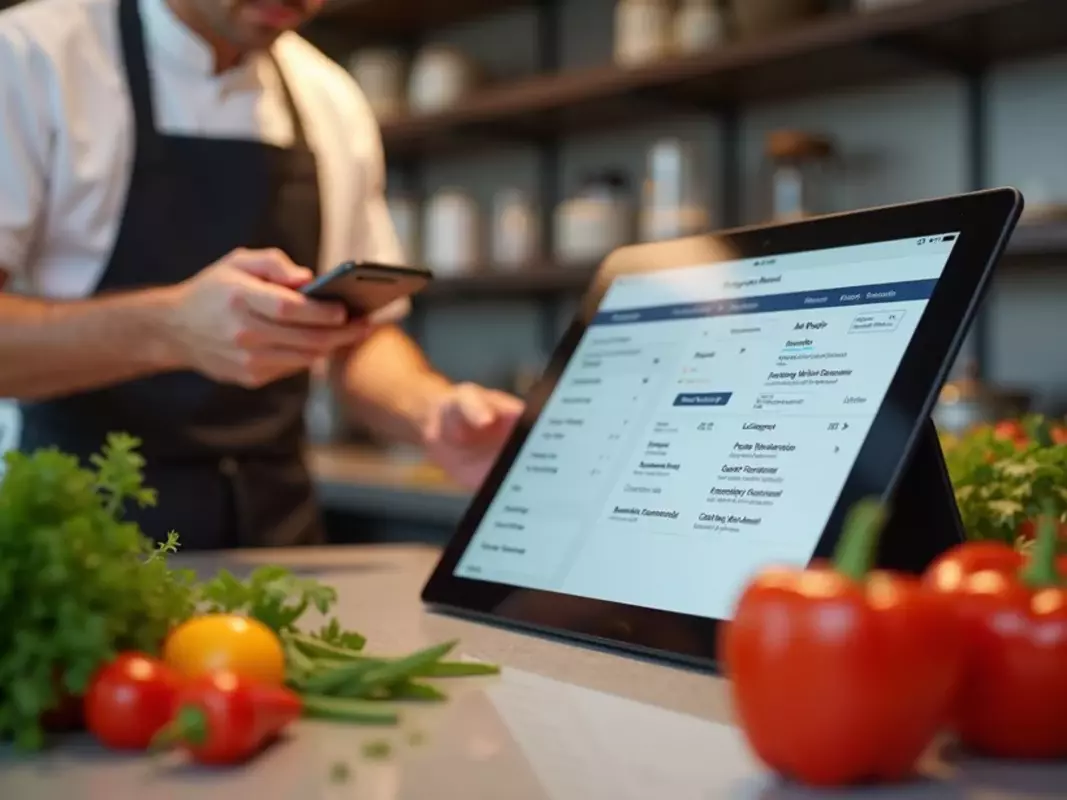
In today's fast-paced world, leveraging technology is essential for managing a successful seasonal menu. Whether it’s streamlining inventory or boosting your marketing strategies, technology can help you stay ahead. Let's dive into how you can utilize various tools for your seasonal menu management!
Software Tools for Streamlining Inventory Management
Using the right software can simplify the complexities of inventory management. Here are a few options that can help:
- Inventory Tracking Software: Keep tabs on ingredient usage and stock levels.
- Menu Management Systems: Quickly adjust your menu based on what’s in season.
- Supplier Management Tools: Help you connect with local vendors and track orders seamlessly.
By using these tools, you can ensure that your kitchen is always stocked with the freshest ingredients available.
Using Digital Platforms for Marketing Seasonal Menus
Digital marketing is a powerful way to promote your seasonal menu. Consider these platforms and strategies:
- Social Media: Create engaging posts with mouth-watering images of your seasonal offerings!
- Email Marketing: Send newsletters to keep customers informed about new seasonal dishes and promotions.
- Website Updates: Ensure your website features an updated seasonal menu that’s easy to navigate.
These strategies can help you reach a wider audience and keep your customers excited about your fresh, seasonal offerings.
Implementing Online Ordering and Reservation Systems
Incorporating online ordering and reservation systems offers convenience for your customers. Here’s how:
- Online Reservations: Allow guests to book tables for special seasonal events or tastings.
- Online Ordering: Enable takeout options for seasonal menu items, making it easier for customers to enjoy your dishes at home.
- Feedback Mechanisms: Use surveys to gather customer feedback on seasonal items to improve future menus!
By embracing these technological solutions, you can enhance your service and provide a seamless dining experience that aligns with your customers' expectations.
Frequently Asked Questions About Seasonal Menu Planning
- What is a seasonal menu?
- A seasonal menu incorporates ingredients that are at their peak freshness during a specific time of year, enhancing flavor, nutritional value, and often reducing costs.
- Why are seasonal menus important for hospitality venues?
- Seasonal menus enhance freshness, flavor, and nutrition; promote sustainability and local sourcing; reduce costs; and increase customer engagement through unique, themed offerings.
- How do seasonal ingredients contribute to culinary excellence?
- Ingredients picked at their peak ripeness are more flavorful and nutritious. Seasonality also encourages chefs to be creative and develop new recipes, leading to innovative dishes.
- What are the financial benefits of using seasonal ingredients?
- Seasonal ingredients are typically more affordable due to local abundance, have a longer shelf life reducing waste, and can lead to a more profitable business model.
- How can technology aid in managing seasonal menus?
- Technology can streamline inventory management, facilitate digital marketing campaigns through social media and email, and improve customer convenience with online ordering and reservation systems.
- How can I market my seasonal menu effectively?
- Effective marketing strategies include seasonal promotions, engaging social media campaigns with vibrant visuals, hosting special seasonal events, and offering interactive menu tastings.
Conclusion and Encouragement for Action
As we wrap up our exploration of seasonal menu planning, it’s clear that the benefits are manifold. From cost efficiency and profitability to enhanced marketing and customer engagement, a seasonal menu can be a game-changer for your hospitality venue. We encourage you to take a moment to reflect on the key strategies we’ve discussed and consider integrating insights from resources like Stellar Menus' guide on crafting seasonal menus to further refine your approach!
Recap of Key Strategies for Seasonal Menu Success
To summarize, here are the key strategies for successful seasonal menu planning:
- Focus on cost efficiency through seasonal ingredients.
- Enhance customer engagement with themed marketing efforts.
- Utilize technology to streamline management and marketing.
- Constantly adapt and refine your offerings based on customer feedback.
These strategies will help pave the way for a vibrant and successful seasonal menu at your venue.
Call to Action: Start Planning Your Seasonal Menu Today
Now is the perfect time to start planning your next seasonal menu! Think about how you can incorporate local ingredients and innovative dishes that reflect the seasons. At Culinary Currents, we’re here to support you on this journey to elevate your culinary offerings and enhance your guests' dining experiences. Let’s make this season one to remember!
Recap of Key Points
Here is a quick recap of the important points discussed in the article:
- Freshness and Flavor: Seasonal ingredients enhance the taste and quality of dishes.
- Sustainability: Sourcing locally reduces the carbon footprint and supports the community.
- Cost Efficiency: In-season produce is often more affordable and has a longer shelf life, reducing waste.
- Customer Engagement: Seasonal menus create excitement and anticipation, encouraging repeat visits.
- Marketing Opportunities: Themed promotions and social media campaigns can boost visibility and interest in seasonal offerings.
- Utilize Technology: Leverage inventory management tools and digital marketing platforms to streamline operations and enhance customer experience.
- Adaptability: Regularly update the menu based on customer feedback and emerging culinary trends to stay relevant.