Local Wines and Seasonal Pairings
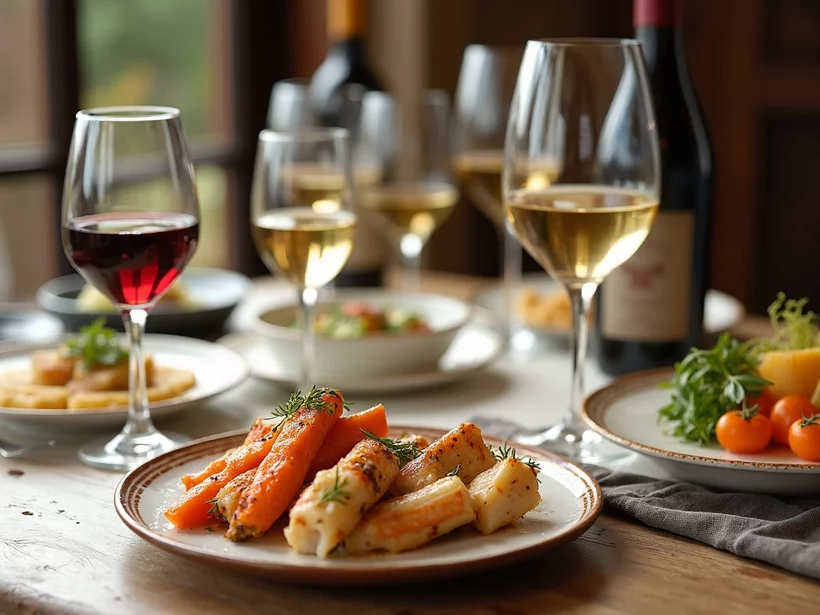
Support for local wineries is flourishing, with 60% of consumers preferring locally sourced products. This trend is reshaping dining experiences, where the magic of food and wine pairing can elevate any meal.
What You Will Learn
- Understand the key concepts of food and wine pairing: complementarity and contrast.
- Recognize how flavor intensity, acidity, sweetness, and herbaceous notes play a role in pairings.
- Explore classic pairings, such as Bordeaux with lamb and Chardonnay with seafood, that enhance dining experiences.
- Discover the benefits of sourcing local wines, including freshness, unique flavors, and community support.
- Learn how seasonal produce influences wine selection for optimal pairing.
- Find vegan and vegetarian pairing options that align with plant-based dining trends.
- Explore non-alcoholic wine alternatives to enhance meals for non-drinkers.
- Engage with local wine festivals and tasting events to deepen your appreciation for regional wines.
- Celebrate culinary traditions and explore unique pairings from different ethnic cuisines.
- Join the conversation on social media by sharing your favorite pairings and participating in local dining events.
Classic Pairings of Local Wines with Seasonal Dishes
Explore the timeless combinations of wines and dishes that enhance the dining experience, as highlighted in Culinary Currents. Understanding the importance of embracing local food sourcing can further elevate these pairings.
Bordeaux with Lamb
Rich Bordeaux wine perfectly complements the earthy flavors of tender lamb, creating an unforgettable pairing.
Chardonnay with Seafood
A bright, crisp Chardonnay enhances the flavors of fresh seafood dishes, making it a classic choice.
Pinot Noir with Duck
The delicate fruitiness of Pinot Noir pairs beautifully with the rich flavors of duck, offering a harmonious balance.
Merlot with Grilled Vegetables
The smoothness of Merlot complements the smoky flavors of grilled vegetables, creating a delightful pairing.
Zinfandel with Barbecue
The bold flavors of Zinfandel are perfect for pairing with savory barbecue dishes, enhancing the overall experience.
Sparkling Wine with Fried Foods
Crisp sparkling wine acts as a perfect counterpoint to the richness of fried foods, making it an exciting choice.
Understanding the Art of Pairing Local Wines with Seasonal Dishes
As someone who deeply cherishes the flavors of food and wine, I find that the magic truly happens when these elements come together in perfect harmony. Pairing local wines with seasonal dishes is not just about taste—it's about telling a story. Each sip and each bite should reflect the season’s bounty, creating a delightful experience that resonates with the essence of Culinary Currents. Understanding the fundamentals of food and wine pairing can elevate any dining experience.
Exploring the Fundamentals of Food and Wine Pairing
At its core, food and wine pairing revolves around two key concepts: complementarity and contrast. Complementarity means choosing flavors that enhance each other, like a rich Chardonnay paired with buttery lobster. In contrast, you might select a wine that adds a refreshing twist to a dish, such as a crispy, acidic Sauvignon Blanc with a creamy pasta. Recognizing these principles will set you on the path to crafting the perfect pairing!
Here are some important concepts to keep in mind:
- Flavor intensity: Match the strength of the dish with the wine.
- Acidity: Wines with high acidity can balance rich or fatty foods.
- Sweetness: Sweet wines can pair beautifully with spicy dishes.
- Herbaceous notes: Look for wines that echo the herbs used in your dish.
Key Concepts: Complementarity and Contrast in Flavor
When you think about complementarity, consider how flavors can work together to enhance each other. A bold, tannic wine like a Cabernet Sauvignon pairs wonderfully with a juicy steak, as the wine's tannins cut through the meat's richness. On the other hand, using contrast can keep your palate interested! For instance, a sweet Riesling can lighten the heat from spicy Asian dishes.
Pairing is all about balance. The aim is to create a delightful experience where neither the food nor the wine overpowers the other. This delicate dance of flavors is at the heart of creating unforgettable dining moments, especially when considering beverage pairing trends for dining.
Examples of Classic Pairings: Bordeaux with Lamb and Chardonnay with Seafood
When looking for classic pairings that have stood the test of time, a few combinations never fail to impress. Think about a rich Bordeaux served alongside tender lamb; the earthy flavors of the wine perfectly complement the meat. Similarly, a bright, crisp Chardonnay is fantastic with fresh seafood, enhancing the natural flavors of the ocean.
Here are a few more beloved classic pairings:
- Pinot Noir with duck
- Merlot with grilled vegetables
- Zinfandel with barbecue
- Sparkling wine with fried foods
Importance of Sourcing Local Wines for Seasonal Cuisine
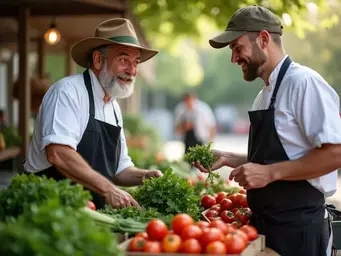
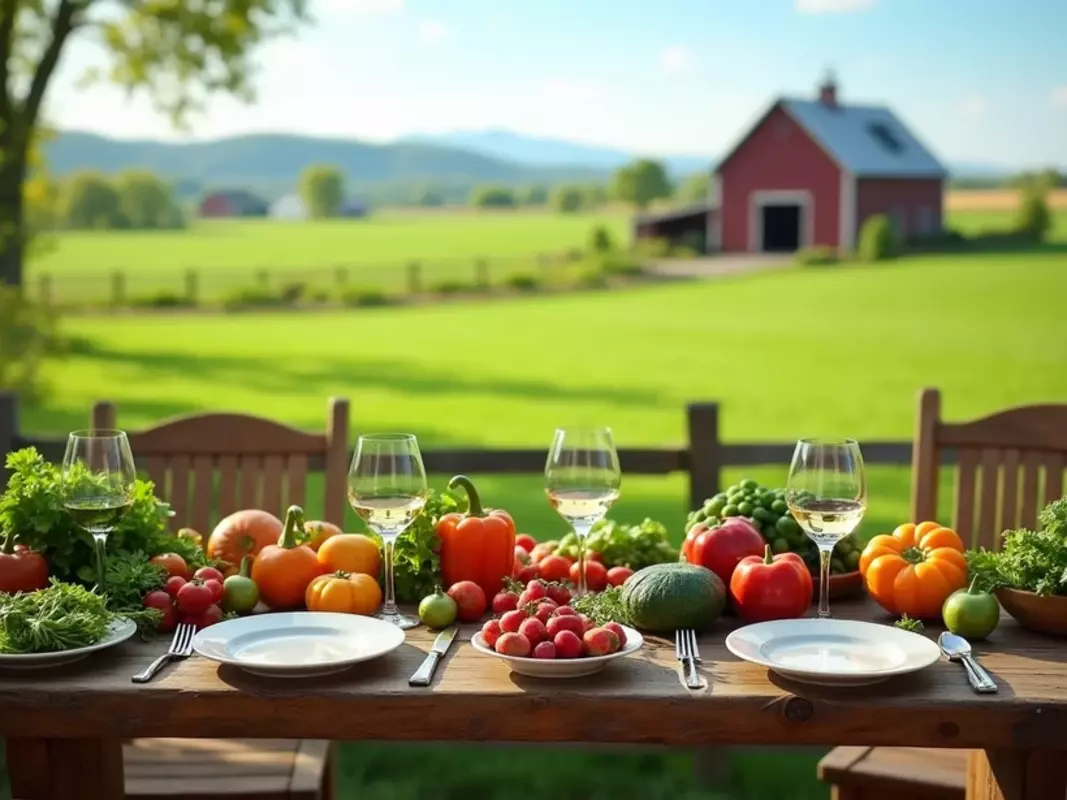
As we look to elevate our dining experiences, sourcing local wines is a brilliant way to support regional wineries while enjoying the freshest seasonal flavors. When you choose local, you not only connect with the terroir but also contribute to the community. Imagine sipping a Petite Sirah crafted just down the road while savoring a dish made with locally sourced ingredients. It creates a lovely sense of place!
The Benefits of Supporting Regional Wineries
Supporting local wineries comes with numerous benefits that enrich both your palate and your community:
- Freshness: Local wines are often fresher, as they don't have to travel long distances.
- Community support: Your purchases help sustain local businesses and jobs.
- Unique flavors: Local varietals often showcase distinct characteristics of the region.
- Cultural connection: Drinking local wines connects you to the history and culture of your area.
How Seasonal Produce Influences Wine Selection
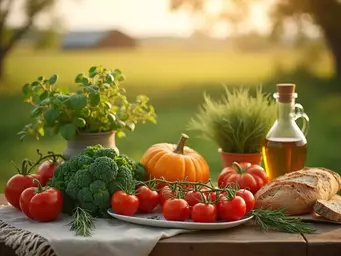
Seasonal produce plays a pivotal role in wine selection. The flavors found in fresh, seasonal ingredients can guide us toward the perfect wine companion. For instance, during the spring, when asparagus and peas are in season, a Sauvignon Blanc with crisp acidity pairs beautifully, echoing the freshness of the vegetables.
As each season unfolds, let the ingredients inspire your wine choices. Embrace the beauty of seasonal dining, and allow the changing flavors to shape your culinary adventure! For more ideas on how to incorporate seasonal produce into your meals, consider exploring seasonal ingredients for restaurant menus.
Quick Summary
Here's a brief recap of the key points discussed so far:
- Understanding the principles of complementarity and contrast can elevate your food and wine pairings.
- Supporting local wineries enhances your dining experience while benefiting the community.
- Seasonal produce significantly influences the selection of wines to harmonize with your meals.
- Engaging with local wine events fosters a deeper appreciation of regional flavors and culinary traditions.
Frequently Asked Questions About Wine and Food Pairings
1. What are the two main concepts in food and wine pairing?
The two main concepts are complementarity and contrast. Complementarity involves choosing flavors that enhance each other, while contrast involves selecting a wine that offers a refreshing twist to a dish.
2. Why is sourcing local wines important?
Sourcing local wines supports regional wineries, ensures freshness, provides unique flavors tied to the local terroir, and contributes to community support and cultural connection.
3. How does seasonal produce affect wine selection?
Seasonal produce flavors guide wine choices. For example, crisp, acidic wines pair well with spring vegetables, while richer wines complement heartier fall and winter dishes.
4. Can non-alcoholic wines be effectively paired with food?
Yes, non-alcoholic wines can be effectively paired with food. Non-alcoholic sparkling wine works well with salads, red blends with pasta, and white wines with seafood, providing depth without alcohol.
5. How can I get more involved in the local wine community?
You can get involved by attending local wine festivals and tasting events, sharing your personal pairings on social media, leaving comments on relevant blogs, and subscribing to seasonal pairing newsletters.
Summarizing the Connection Between Local Wines and Seasonal Dishes
As we explore the delightful world of food and wine pairings, it’s essential to understand how they can enhance our dining experiences. At Culinary Currents, we believe that the intersection of local wines and seasonal dishes is not just about taste; it’s about embracing the beauty of our regional offerings. Let’s dive into how we can integrate health and nutrition perspectives when choosing the perfect wine for your meals!
Integrating Health and Nutrition Perspectives in Wine Pairings
Today, many people are becoming more health-conscious, and that includes their choice of wines. It's vital to incorporate options that cater to various dietary preferences while still celebrating seasonal flavors.
Addressing Vegan and Vegetarian Pairing Options
When it comes to pairing wines with vegan and vegetarian dishes, there are numerous delightful combinations. Here are some ideas to consider:
- Grilled vegetable skewers with a fruity Grenache.
- Stuffed bell peppers paired with Chianti.
- Hearty lentil stew complemented by a rich Merlot.
These pairings not only enhance the flavors of the dishes but also align with the growing trend of plant-based dining. Are there any local wines you enjoy with your veggie meals? I’d love to hear your thoughts!
Exploring Non-Alcoholic Wine Alternatives for Seasonal Dishes
For those who prefer a non-alcoholic option, there is a fantastic range of non-alcoholic wines available today. These alternatives can add depth to your meals without the buzz!
- Try a non-alcoholic sparkling wine with fresh salads.
- A fruity non-alcoholic red blend can elevate your pasta dishes.
- Consider a non-alcoholic white wine with your seafood fare.
At Culinary Currents, we believe that everyone should enjoy great flavor no matter their preferences or lifestyle choices!
Encouraging Engagement Through Interactive Tools and Events
Engagement is key in building a community around our love for food and wine. Hosting events and utilizing interactive tools can inspire more people to explore local wines and seasonal dishes!
Inviting Readers to Join Local Wine Festivals and Tasting Events
Nothing brings people together quite like a good wine festival! I encourage you to check out these local events:
- Annual wine and food festival featuring local vineyards.
- Wine tasting evenings at nearby restaurants.
- Seasonal markets showcasing regional produce and wines.
Participating in these gatherings can deepen your appreciation for the flavors and stories behind each bottle and dish. Have you been to any fun tastings recently?
Providing Opportunities for Feedback and Sharing Personal Pairings
Sharing is part of the joy of dining! I invite you to share your favorite pairings with us at Culinary Currents. Whether it’s a local wine that perfectly complements your homemade dish or an exciting discovery from a tasting event, your experiences can inspire others!
- Share your pairings on social media with the hashtag #CulinaryCurrents.
- Leave comments on our blog about your favorite seasonal dishes and wine matches.
- Join our mailing list for upcoming pairing challenges and events!
Exploring Culinary Traditions and Ethnic Cuisines
Each culture offers its unique culinary traditions, and exploring these can unlock new dimensions in wine pairings. Let’s celebrate diversity in our dining experiences!
Pairing Guidelines for Different Culinary Traditions
Here are some tips for pairing wines with various ethnic cuisines:
- Italian: Pair Chianti with pasta dishes or Prosecco with antipasto.
- Mexican: Enjoy Tempranillo with spicy enchiladas or a crisp Riesling with tacos.
- Asian: Match Sauvignon Blanc with sushi or a light Pinot Grigio with stir-fries.
Have you tried any unexpected pairings? Different flavors can surprise and delight your palate! To further explore global flavors in your menu design, consider these menu innovation strategies.
Celebrating Regional Cuisine and Seasonal Menus
Embracing regional cuisine means celebrating what’s fresh and local. By highlighting seasonal menus, we can create a more vibrant dining experience. Seasonal dishes reflect the heart of our local agriculture and wine production.
- Highlighting a spring asparagus salad with a zesty Sauvignon Blanc.
- Featuring a fall squash soup paired with a rich Chardonnay.
- Offering a winter root vegetable medley alongside a robust Syrah.
How do you celebrate the seasons in your dining? I'm eager to hear your stories!
Call to Action for Readers and Local Wine Enthusiasts
As we wrap up our exploration of local wines and seasonal pairings, I encourage you to actively engage with your community. There is so much to discover!
Inviting Collaboration with Local Wineries and Restaurants
Let’s support our local vineyards and eateries! Collaborating can lead to creative events, special tasting menus, and more awareness of the amazing products in our area. Consider reaching out to your favorite local winery or restaurant to explore partnership opportunities! For more insights into crafting effective seasonal menus, check out crafting seasonal menus for hospitality.
Encouraging Subscription to Seasonal Pairing Newsletters
Finally, don't miss out on the excitement! Subscribe to our seasonal pairing newsletters at Culinary Currents for the latest trends, recipes, and pairing ideas. Together, we can continue to celebrate the delightful connections between local wines and seasonal dishes.
Thank you for joining me on this flavorful journey! Let’s keep these conversations going and inspire each other to taste and create amazing experiences.
Recap of Key Points
Here is a quick recap of the important points discussed in the article:
- Complementarity and Contrast: Pair wines that enhance each other’s flavors or provide a refreshing contrast.
- Key Pairing Principles: Match flavor intensity, consider acidity, balance sweetness, and echo herbaceous notes.
- Classic Pairings: Enjoy timeless combinations such as Bordeaux with lamb and Chardonnay with seafood.
- Support Local Wineries: Sourcing local wines enhances freshness, supports community, and showcases unique regional flavors.
- Seasonal Produce: Let the freshness of seasonal ingredients guide your wine selections for a harmonious dining experience.
- Dietary Considerations: Explore vegan, vegetarian, and non-alcoholic wine pairings that cater to diverse preferences.
- Engagement Opportunities: Participate in local wine festivals, share your pairings, and join the community for enhanced culinary experiences.