Bar Management for Farm-to-Table
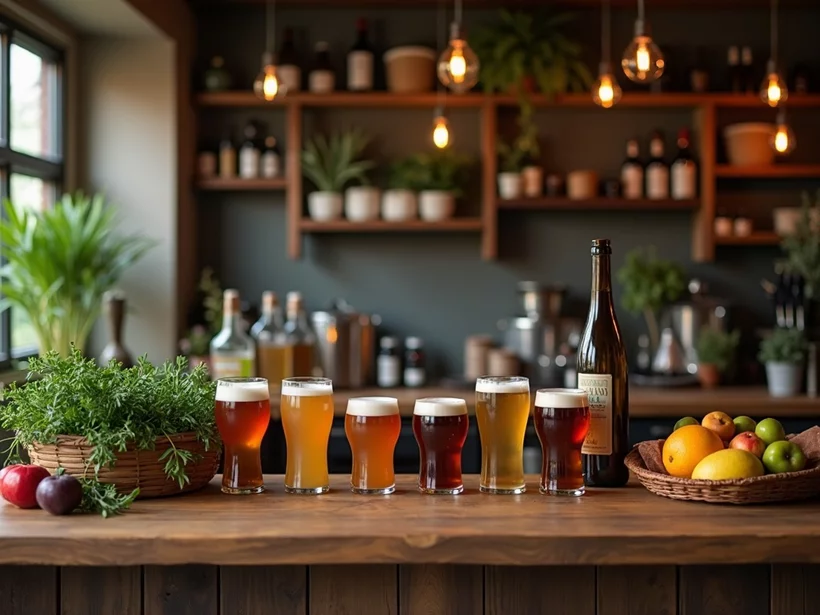
What if your next drink could tell a story that connects you to the local landscape? In the world of farm-to-table dining, bar management is not just about serving beverages—it’s about crafting an immersive experience that celebrates local flavors and sustainability.
What You Will Learn
- Understanding the core principles of farm-to-table, emphasizing freshness, sustainability, and community support.
- The importance of crafting a seasonal cocktail menu that highlights local ingredients and their stories.
- Strategies for engaging guests by sharing the origins of ingredients, enhancing the overall dining experience.
- Building strong partnerships with local farmers and artisans to create unique beverage offerings.
- Implementing training programs for staff to communicate sustainability values effectively to patrons.
- Using technology to streamline bar management and enhance operational efficiency.
- Encouraging customer feedback to refine beverage offerings and strengthen community ties.
Key Bar Management Strategies for Farm-to-Table Restaurants
Implementing effective bar management strategies enhances the farm-to-table dining experience. Below are essential components to consider:
Freshness of Ingredients
Local ingredients are often picked at peak ripeness, ensuring superior taste in beverages.
Sustainability Practices
Supporting local agriculture reduces environmental impact and promotes community well-being.
Engagement with Guests
Providing information about ingredient origins fosters conversation and interest among guests.
Seasonal Menus
Regularly updating drink offerings to reflect seasonal ingredients keeps the menu vibrant.
Understanding Bar Management in the Farm-to-Table Context
As we dive into the world of farm-to-table dining, it's essential to understand how bar management plays a vital role in this unique culinary approach. At Culinary Currents, we celebrate the connections between local farms and the dining experience, and the bar is no exception. From craft cocktails to local beers, the beverage offerings can elevate a meal, making it not just about the food, but about the entire experience. To delve deeper into creating a cohesive menu that uses fresh, local produce, consider exploring strategies for crafting a farm-to-table menu.
Farm-to-table principles emphasize sourcing ingredients directly from local producers, promoting sustainability and community support. These values are integral to the hospitality industry and resonate with guests who increasingly seek authenticity in their dining experiences. By embracing these principles, bar management can create a vibrant atmosphere that honors regional flavors and fosters a connection with the local landscape.
Defining Farm-to-Table Principles and Their Importance
Farm-to-table principles center around the idea of serving food and drinks made from locally sourced ingredients, ensuring freshness and quality. This approach not only supports local farmers but also reduces the carbon footprint associated with transporting products over long distances. The importance of these principles is underscored by their ability to create a community-centric dining experience.
- Freshness: Local ingredients are often picked at peak ripeness, resulting in superior taste.
- Sustainability: Supporting local agriculture reduces environmental impact.
- Community Support: Building relationships with local farmers strengthens community ties.
- Seasonality: Menu items reflect the changing seasons, offering guests variety throughout the year.
At Culinary Currents, we believe that each ingredient tells a story, and by adopting farm-to-table principles, bars can introduce their patrons to a narrative that celebrates regional agriculture. This fosters appreciation and encourages repeat visits as customers become invested in the story behind their beverages. For more insights on how the farm-to-table movement can support local economies, read about farm-to-table and local economies.
The Role of Bar Management in Enhancing the Farm-to-Table Experience
Bar management is crucial in curating an experience that aligns with farm-to-table values. It involves not just the selection of beverages but also the presentation and storytelling that accompany each drink. It’s about crafting a menu that showcases the richness of local produce while inviting guests to connect with their surroundings.
Effective bar management can enhance the farm-to-table experience in several ways:
- Creative Mixology: Crafting unique cocktails that highlight local flavors and ingredients.
- Seasonal Menus: Regularly updating drink offerings to reflect what’s fresh and available.
- Engagement with Guests: Providing information about ingredient origins encourages conversation and interest.
- Artisan Partnerships: Collaborating with local distilleries and breweries to offer exclusive products.
By implementing these strategies, bar managers can transform a simple drink into a part of a larger story, enhancing the overall farm-to-table dining experience. It’s about creating an atmosphere where guests feel connected to the land and the community, making each sip a celebration of local craftsmanship. Learn more about embracing local food sourcing in your establishment.
Quick Summary
Here's a brief recap of the key points discussed so far:
- Farm-to-Table Principles: Sourcing ingredients locally promotes freshness, sustainability, community support, and seasonality.
- Bar Management's Role: Effective bar management enhances the dining experience by creatively using local ingredients and engaging guests in the story behind their drinks.
- Strategies for Success: Implement seasonal menus, foster relationships with local suppliers, and educate staff to share the farm-to-table narrative with patrons.
Summarizing Effective Bar Management Strategies for Farm-to-Table Restaurants
Effective bar management is a crucial aspect of enhancing the farm-to-table dining experience. As I’ve explored throughout this article, it’s not just about serving drinks; it's about creating a narrative that connects guests with the ingredients and the journey they take from local farms to their cocktails. Here are the key takeaways on implementing bar management strategies that resonate with both sustainability and innovation.
Firstly, understanding and embracing farm-to-table principles is vital. This means sourcing ingredients locally, crafting seasonal menus, and sharing the stories of local farmers. By doing so, we create a vibrant connection between patrons and their dining experience. Secondly, training staff to appreciate and communicate these values is essential. An educated bartender can turn a simple drink order into a conversation about sustainability!
- Define your bar's farm-to-table mission.
- Develop a seasonal cocktail menu using local ingredients.
- Foster strong relationships with local suppliers.
- Implement training programs focused on sustainability.
- Utilize technology for efficient bar management.
- Market your offerings with a focus on local partnerships.
Encouraging Action: Start Implementing These Strategies Today
Now that we've outlined essential strategies for effective bar management, it’s time to take action! One of the best ways to start is by hosting a tasting event that emphasizes local ingredients. This not only engages your guests but also showcases your commitment to the community and sustainability. Remember, every small step counts in building a farm-to-table ethos in your bar.
Consider creating a feedback loop with your customers. Ask them what drinks they love, which ingredients resonate with them, and how they feel about your farm partnerships. This interaction can lead to valuable insights that help refine your offerings and marketing strategies. Together, we can cultivate a culture that values local sourcing, sustainability, and exceptional craftsmanship in every glass! For more ideas on how to update your offerings, consider exploring crafting seasonal menus for hospitality.
- Host tasting events featuring local ingredients.
- Gather customer feedback to improve your menu.
- Share stories of your local farmers on social media.
- Collaborate with local artisans for unique offerings.
- Showcase seasonal themes in your bar’s décor and specials.
Frequently Asked Questions About Bar Management in Farm-to-Table Settings
As we wrap up, let’s address some common questions that might be on your mind regarding bar management in farm-to-table settings. Understanding these aspects can help elevate your bar offerings and keep your patrons coming back for more.
How can I integrate local ingredients into my bar menu?
Integrating local ingredients can be as simple as collaborating with local farmers or markets to source seasonal produce. Think about incorporating the freshest fruits, herbs, and even artisanal spirits into your cocktails. This not only supports the local economy but also enhances flavor and freshness!
What are the best practices for training bar staff on sustainability?
Training is key! Start with workshops on local sourcing and sustainability practices. Encourage staff to share their knowledge with patrons, turning each drink into an opportunity for storytelling and education. Regularly update training materials to include new local ingredients and practices that enhance the bar's commitment to sustainability.
What are the benefits of using artisan spirits and craft beer in my offerings?
Using artisan spirits and craft beers adds a unique touch to your bar menu. These products often have distinct flavors that can elevate cocktails, while also supporting local producers. Plus, guests appreciate the story behind these selections, which makes them feel more connected to their drinks!
How can I design a seasonal cocktail menu that attracts customers?
Designing a seasonal cocktail menu requires creativity and flexibility. Start by brainstorming flavor profiles that complement the season. Use local ingredients that are at their peak, and consider highlighting a special drink each month. This keeps the menu dynamic and encourages guests to return to try new offerings!
Recap of Key Points
Here is a quick recap of the important points discussed in the article:
- Emphasizing farm-to-table principles enhances the dining experience by sourcing local, fresh ingredients.
- Effective bar management involves crafting seasonal menus and engaging guests through storytelling about local produce.
- Building strong relationships with local suppliers fosters community support and sustainability.
- Training staff on sustainability practices is essential for effective communication with patrons.
- Hosting tasting events and gathering customer feedback can improve offerings and strengthen community ties.