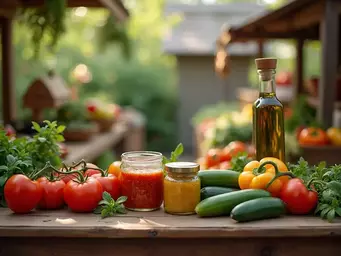
Farm-to-Table Success Stories

The farm-to-table movement is more than just a culinary trend; it's a transformative approach to dining that connects us to our local agricultural roots. As consumers become more conscious of their food choices, the principles of sustainability and freshness take center stage. Are you ready to explore the vital lessons behind this dining phenomenon?
What You Will Learn
- Farm-to-table dining emphasizes local sourcing, ensuring freshness and supporting local economies.
- Seasonality plays a crucial role in menu design, allowing chefs to showcase the best ingredients at any given time.
- Sustainability and transparency are key principles, encouraging ethical farming practices and building trust with diners.
- Challenges like seasonal ingredient availability and higher costs can affect farm-to-table operations, requiring innovative solutions.
- Technology, such as point-of-sale systems and inventory management tools, can streamline operations and enhance traceability.
- The rise of collaborative events and pop-up restaurants highlights community engagement and local flavor exploration.
Key Principles of Farm-to-Table Dining
Explore the core principles that define the farm-to-table movement and how they enhance dining experiences.
Local Sourcing
Ingredients are obtained from nearby farms to ensure freshness and support local economies.
Seasonality
Menus change with the seasons, celebrating the best produce available at any given time.
Sustainability
Practices that minimize environmental impact and promote ethical farming are prioritized.
Transparency
Restaurants often share information about their sourcing practices, creating trust with diners.
Understanding Farm-to-Table Restaurants: A Comprehensive Overview
Farm-to-table restaurants have gained tremendous popularity in recent years, inviting diners to experience a connection between their meals and the local land. These establishments prioritize sourcing ingredients directly from local farmers and producers, offering dishes that celebrate seasonal flavors. At Culinary Currents, we are passionate about sharing the narratives behind these dining experiences, showcasing how they contribute to healthier choices and sustainable practices in the culinary world.
Defining the Farm-to-Table Concept
What Does Farm-to-Table Mean in the Culinary World?
The term farm-to-table embodies a movement that emphasizes fresh, local ingredients. In essence, it means that the food served in these restaurants is sourced directly from nearby farms, ensuring peak freshness and seasonal quality. This direct relationship fosters a deeper understanding of where our food comes from, allowing chefs to craft memorable dining experiences that reflect the local landscape.
Farm-to-table dining isn’t just a trend—it’s a philosophy that champions sustainability, nutrition, and community. Diners are increasingly drawn to this movement, seeking meals that are not only delicious but also ethical and environmentally friendly. Have you ever tasted a tomato that was picked just hours before it reached your plate? That’s the kind of freshness we celebrate! To learn more about how this movement influences local economies, read about farm-to-table and local economies.
Key Principles of Farm-to-Table Dining
Several core principles define the farm-to-table movement, which include:
- Local Sourcing: Ingredients are obtained from nearby farms to ensure freshness and support local economies.
- Seasonality: Menus change with the seasons, celebrating the best produce available at any given time.
- Sustainability: Practices that minimize environmental impact and promote ethical farming are prioritized.
- Transparency: Restaurants often share information about their sourcing practices, creating trust with diners.
At Culinary Currents, we believe these principles are fundamental in creating a thriving and responsible dining culture. By understanding the foundations of farm-to-table, we can appreciate the quality and care that goes into every dish.
The Rise of Farm-to-Table Restaurants
Historical Context and Evolution of the Movement
The farm-to-table movement has roots in various culinary traditions, but it has flourished in recent years due to growing consumer awareness. As people became more concerned about nutrition and the environmental impact of their food, restaurants started rethinking their sourcing strategies. This evolution has paved the way for a new era in dining, where chefs become ambassadors of their local agricultural communities.
Not only does this movement support regional producers, but it also gives chefs a chance to experiment with unique ingredients. Imagine the creativity that comes from using freshly harvested herbs or rare heirloom vegetables! It’s a culinary renaissance that celebrates both the land and its bounty. For more insights on how to build a menu around these concepts, explore crafting seasonal menus for hospitality.
Current Trends in Farm-to-Table Dining
Today, we see exciting trends within the farm-to-table movement that captivate diners:
- Pop-Up Restaurants: Temporary dining experiences that highlight local ingredients and chefs.
- Collaborative Events: Partnerships between restaurants and local farmers for special menu events.
- Sustainable Practices: Focus on minimizing food waste through creative repurposing of ingredients.
- Cooking Classes: Many farm-to-table restaurants offer classes to teach patrons about local ingredients and cooking techniques.
These trends not only enhance the dining experience but also foster a sense of community among diners, chefs, and producers. As we embrace these innovations at Culinary Currents, we continually strive to connect our readers with the culinary landscape around them.
The Locavore Movement and Its Influence on Dining Choices
The locavore movement, which encourages consumption of locally produced foods, has significantly impacted dining preferences. Many people today prefer to know where their food comes from and how it is produced. This shift has encouraged restaurants to adopt more sustainable sourcing practices, reflecting a growing demand for transparency.
As diners become more conscious of their choices, they are increasingly seeking out restaurants that align with their values. By choosing farm-to-table dining, they not only enjoy fresh, delicious meals but also contribute to the health of their local economy and environment. Are you ready to join this vibrant movement? Let’s celebrate the flavors of our region together!
Pro Tip
To truly embrace the farm-to-table experience, consider visiting local farmers' markets or joining a community-supported agriculture (CSA) program. This not only allows you to enjoy the freshest produce but also connects you directly with the farmers who grow your food, deepening your appreciation for the culinary journey.
Frequently Asked Questions About Farm-to-Table Dining
Addressing Challenges in the Farm-to-Table Model
Operating a farm-to-table restaurant comes with its unique set of challenges. It's essential to understand these obstacles to create a sustainable and successful business. From sourcing ingredients to managing costs, each aspect requires careful consideration and planning to align with the farm-to-table philosophy. Let's explore some of the key issues that these establishments face and how they can navigate them effectively!
Key Obstacles Faced by Farm-to-Table Restaurants
One major challenge in the farm-to-table model is seasonality. This factor can greatly impact sourcing and menu availability. Depending on the time of year, certain ingredients may be harder to come by, leading to limited menu options or increased costs. For example, fresh tomatoes and basil are abundant in summer, but sourcing them in winter can be a different story! For tips on sourcing seasonal ingredients, check out our guide on seasonal ingredients for restaurant menus.
Additionally, pricing can also pose challenges. Farm-to-table restaurants often face higher food costs due to the emphasis on quality, organic ingredients. This model can make it difficult to compete with conventional restaurants that may offer lower prices for mass-produced items. It's a balancing act to maintain profit margins while staying true to sustainable practices.
- Seasonal availability can limit menu choices.
- Higher costs for organic ingredients affect pricing.
- Consumer education is necessary to justify higher prices.
Technology and Innovation in Farm-to-Table Operations
In today’s digital age, technology can play a vital role in overcoming challenges in the farm-to-table model. Utilizing point-of-sale systems and inventory management tools can streamline operations and help track ingredient availability. This efficiency not only saves time but also reduces waste by ensuring that the freshest items are prioritized in the kitchen.
Moreover, traceability in sourcing practices is becoming increasingly important for consumers who want to know where their food comes from. Implementing technology that tracks the journey of ingredients—right from the farm to the table—can foster transparency and build trust with your patrons. This kind of commitment to transparency is something that resonates deeply with customers. Learn more about embracing local food sourcing in your establishment.
- Adopt point-of-sale systems for efficient operations.
- Implement inventory tools to minimize waste.
- Use technology for traceability to enhance consumer trust.
Menu transparency is another crucial aspect that enhances consumer confidence in farm-to-table dining. By clearly indicating ingredient sources, restaurants can create a connection with their customers, making them feel more involved in the culinary journey. This approach is especially important for establishments like Culinary Currents, where every ingredient tells a story!
Conclusion: Driving Future Success in Farm-to-Table Restaurants
In wrapping up our exploration of challenges in farm-to-table dining, it's clear that overcoming these obstacles requires a combination of innovative solutions, strong partnerships with local producers, and a commitment to transparency. By addressing factors like seasonality and leveraging technology, restaurants can craft a unique dining experience that not only delights patrons but also supports sustainable practices.
At Culinary Currents, we believe that the key to thriving in the farm-to-table world lies in adaptability and community engagement. Together, let’s embrace the future of dining—one that celebrates local flavors and sustainable practices!
Recap of Key Points
Here is a quick recap of the important points discussed in the article:
- Farm-to-Table Concept: Emphasizes fresh, local ingredients sourced directly from nearby farms to ensure peak quality.
- Key Principles: Local sourcing, seasonality, sustainability, and transparency are fundamental to the farm-to-table movement.
- Current Trends: Pop-up restaurants, collaborative events, and cooking classes are popular within the farm-to-table dining experience.
- Challenges: Seasonal availability and higher costs for organic ingredients are significant obstacles for farm-to-table restaurants.
- Technology Use: Implementing point-of-sale systems and inventory management tools can help streamline operations and enhance traceability.
- Consumer Engagement: Transparency in sourcing practices fosters trust and encourages diners to connect with their meals.